Hairybroom: A Mediterranean Shrub for Challenging Garden Spots
If you’re looking for a tough, drought-tolerant shrub that can handle poor soils and still put on a cheerful spring flower show, hairybroom (Cytisus villosus) might catch your attention. This Mediterranean native has found its way into American gardens, particularly in New York, where it’s established itself as a hardy ornamental option.
What is Hairybroom?
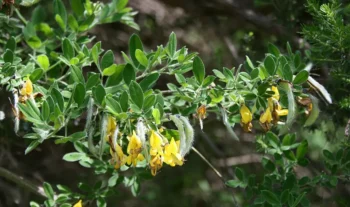
Hairybroom is a perennial shrub that typically grows as a multi-stemmed woody plant, usually staying under 13-16 feet tall. True to its name, this plant has distinctly hairy or fuzzy stems and leaves that give it a silvery appearance. It’s also known by its synonym Cytisus triflorus, though hairybroom is the most commonly used name.
As a non-native species, hairybroom originated in the Mediterranean region, particularly Spain and Portugal, but has been introduced to North America where it reproduces on its own in the wild.
Where Does Hairybroom Grow?
In the United States, hairybroom has been documented growing in New York. As an introduced species, it has shown the ability to establish itself and persist without human intervention.
- Species observed
- No observations
Garden Appeal and Landscape Uses
Hairybroom brings several attractive qualities to the garden:
- Bright yellow, pea-like flowers that bloom in spring
- Silvery-gray foliage that adds textural interest
- Excellent drought tolerance once established
- Ability to thrive in poor, rocky soils
- Useful for erosion control on slopes
This shrub works well in Mediterranean-style gardens, xeriscaping projects, and naturalized areas where you want color without high maintenance.
Growing Conditions and Care
Hairybroom is surprisingly easy to grow if you can provide its basic needs:
- Sunlight: Full sun is essential for best flowering
- Soil: Well-drained soils are crucial; it tolerates poor, rocky, or sandy conditions
- Water: Drought tolerant once established, but needs regular water the first year
- Climate: Hardy in USDA zones 7-10
Planting and Care Tips
Getting hairybroom established is straightforward:
- Plant in spring after the last frost
- Space plants 4-6 feet apart to allow for mature size
- Water regularly the first growing season to establish roots
- Prune lightly after flowering to maintain shape
- No fertilizer needed in most soils
Pollinator and Wildlife Benefits
The bright yellow flowers of hairybroom are attractive to bees and other pollinators, providing nectar during the spring blooming period. Like many members of the pea family, these flowers are particularly appealing to various bee species.
Should You Plant Hairybroom?
While hairybroom can be an attractive and low-maintenance addition to challenging garden spots, it’s worth considering that as a non-native species, it doesn’t provide the same ecological benefits as native plants. If you’re interested in similar characteristics, consider these native alternatives:
- Wild senna (Senna hebecarpa) for yellow flowers and tough conditions
- Spicebush (Lindera benzoin) for early spring interest
- Native azaleas for spring color in partially shaded spots
If you do choose to grow hairybroom, it can be a reliable performer in Mediterranean gardens, rock gardens, or anywhere you need a drought-tolerant shrub with spring color. Just remember that as with any non-native plant, it’s good practice to monitor it and prevent it from spreading beyond your intended planting area.