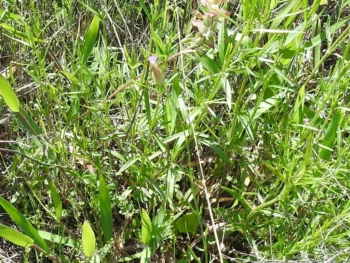
Hairypink: A Delicate Mediterranean Beauty for Your Garden
Meet hairypink (Petrorhagia dubia), a charming little annual that’s been quietly making itself at home in gardens across several U.S. states. This delicate Mediterranean native might not be the showiest plant in your garden, but it brings a subtle elegance that’s hard to ignore once you know what to look for.
What is Hairypink?
Hairypink is an annual forb – basically a soft-stemmed flowering plant that completes its entire life cycle in one growing season. Don’t let the name fool you; while it does produce lovely pink flowers, the hairy part refers to its slightly fuzzy stems and leaves rather than any resemblance to actual hair.
This plant goes by several scientific aliases, having been shuffled around the botanical naming system over the years. You might see it listed as Dianthus velutinus, Tunica velutina, or other synonyms, but Petrorhagia dubia is its current accepted name.
Where You’ll Find Hairypink
Originally from the Mediterranean region, hairypink has established itself in five U.S. states: California, Hawaii, Oklahoma, Oregon, and Texas. It’s considered non-native but has naturalized successfully, reproducing on its own without human intervention.
- Species observed
- No observations
Why Consider Hairypink for Your Garden?
Here’s what makes this little plant worth considering:
- Low maintenance: Once established, it pretty much takes care of itself
- Drought tolerant: Perfect for water-wise gardening
- Delicate beauty: Small pink flowers add a soft, romantic touch
- Pollinator friendly: Attracts bees, butterflies, and other small beneficial insects
- Self-seeding: Will likely return year after year without replanting
Garden Design and Landscape Uses
Hairypink shines in specific garden settings:
- Rock gardens: Its low-growing habit makes it perfect for tucking between stones
- Mediterranean-style landscapes: Right at home with lavender, rosemary, and other drought-loving plants
- Naturalized areas: Great for wildflower meadows or informal garden spaces
- Ground cover: Forms a delicate carpet in appropriate conditions
Growing Conditions and Care
Hairypink is refreshingly easy to please:
- Sunlight: Full sun for best performance
- Soil: Well-drained soils; it actually prefers lean, rocky conditions over rich garden soil
- Water: Drought tolerant once established; avoid overwatering
- USDA Hardiness Zones: 7-10
- Height: Stays low and compact, typically under 12 inches
Planting and Maintenance Tips
Getting started with hairypink is straightforward:
- Sow seeds directly in fall or early spring
- Barely cover seeds with soil – they need some light to germinate
- Water gently until established, then let nature take over
- No fertilizing needed – it actually prefers poor soils
- Allow some plants to go to seed if you want them to return next year
Things to Consider
While hairypink isn’t considered invasive, it is a non-native species. If you’re focused on supporting local ecosystems with native plants, you might want to consider native alternatives that provide similar aesthetic appeal and ecological benefits. Some great native options for similar growing conditions include wild bergamot, native penstemon species, or regional wildflower mixes.
That said, if you’re drawn to Mediterranean-style gardening or need a low-water plant for challenging spots, hairypink can be a lovely addition that requires minimal input while providing maximum charm.
The Bottom Line
Hairypink is one of those quiet garden gems that rewards the observant gardener. It won’t compete with your roses for attention, but it will faithfully provide delicate color and texture while asking for almost nothing in return. Whether you’re creating a rock garden masterpiece or simply need something pretty for a dry, sunny spot, this little Mediterranean traveler might just be the perfect fit.