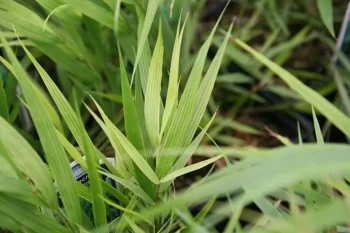
Hakone Grass: A Graceful Shade-Loving Ornamental for Your Garden
If you’ve been searching for an elegant grass that actually thrives in shade, Hakone grass (Hakonechloa macra) might just be the answer to your gardening prayers. This stunning ornamental grass brings a touch of Japanese garden serenity to American landscapes, cascading like a green waterfall in even the shadiest corners of your yard.
What Is Hakone Grass?
Hakone grass, scientifically known as Hakonechloa macra, is a perennial ornamental grass that’s as beautiful as its name suggests. Also known by the synonym Phragmites macer, this graceful grass gets its common name from Japan’s Mount Hakone region, where it grows naturally in mountainous woodland areas.
Unlike many grasses that demand full sun, Hakone grass is actually a shade lover – making it a rare gem in the world of ornamental grasses. Its soft, bamboo-like foliage creates stunning cascading clumps that add movement and texture to any garden space.
Native Status and Distribution
While absolutely gorgeous, it’s important to know that Hakone grass is not native to North America. This non-native species has been introduced from Japan and has established itself in some areas, particularly in Utah, where it now reproduces spontaneously in the wild. However, it’s not currently listed as invasive or noxious.
- Species observed
- No observations
Why Gardeners Love (and Should Consider) Hakone Grass
There are several compelling reasons why Hakone grass has captured the hearts of gardeners across the country:
- Shade tolerance: One of the few ornamental grasses that actually prefers partial to full shade
- Stunning fall color: The bright green summer foliage transforms into brilliant golden-yellow autumn hues
- Graceful form: Creates beautiful cascading mounds that soften harsh landscape edges
- Low maintenance: Once established, requires minimal care
- Versatile design element: Works beautifully in Japanese-style gardens, woodland settings, and contemporary landscapes
Garden Design and Landscape Role
Hakone grass shines as both a specimen plant and a groundcover. Its flowing, fountain-like habit makes it perfect for:
- Edging shaded pathways and borders
- Softening the base of trees and shrubs
- Creating texture contrast in shade gardens
- Adding movement to static landscape designs
- Serving as a focal point in Japanese or zen-style gardens
Growing Conditions and Care
Successfully growing Hakone grass is surprisingly straightforward when you understand its preferences:
Light Requirements: Partial to full shade (morning sun with afternoon shade is ideal)
Soil Needs: Moist, well-draining soil rich in organic matter
Hardiness: Thrives in USDA zones 5-9
Planting Tips:
- Plant in spring after the last frost
- Space plants 2-3 feet apart for groundcover use
- Dig holes twice as wide as the root ball
- Amend heavy clay soils with compost for better drainage
Ongoing Care:
- Water regularly, especially during dry spells
- Apply a 2-3 inch layer of mulch to retain moisture
- Cut back to 2-3 inches in late winter or early spring
- Divide clumps every 3-4 years to maintain vigor
Wildlife and Pollinator Benefits
As a wind-pollinated grass, Hakone grass provides minimal direct benefits to pollinators like bees and butterflies. However, it can offer some shelter and nesting materials for small wildlife in your garden ecosystem.
Native Alternatives to Consider
While Hakone grass isn’t invasive, supporting native plant communities is always beneficial for local wildlife. If you’re interested in native alternatives that offer similar aesthetic appeal, consider these shade-tolerant native grasses:
- Pennsylvania sedge (Carex pensylvanica) – excellent native groundcover
- Buffalo grass (Poaceae family natives) in appropriate regions
- Various native Carex species suited to your specific region
The Bottom Line
Hakone grass offers undeniable beauty and fills a unique niche as a shade-loving ornamental grass. While it’s not native, it’s also not considered problematic in most areas. If you choose to grow it, you’ll be rewarded with years of graceful, low-maintenance beauty that brings a touch of Japanese garden elegance to your landscape. Just remember to consider native alternatives first, and if you do plant Hakone grass, enjoy its cascading charm while being a responsible gardener who supports local ecosystems whenever possible.