Hanging Sedge: A Graceful Addition to Shade Gardens
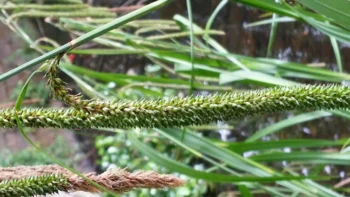
If you’re looking for a plant that brings both elegance and a touch of drama to your garden, hanging sedge might just catch your eye. This distinctive perennial sedge gets its name from the way its flower spikes dangle gracefully from arching stems, creating a pendant-like effect that’s quite unlike anything else in the garden.
What is Hanging Sedge?
Hanging sedge (Carex pendula) is a large, clump-forming perennial that belongs to the sedge family. Sometimes called sedge-grass, this grass-like plant can grow quite impressive in size, reaching 3-5 feet tall with elegant, arching leaves that create a fountain-like appearance. What really sets it apart are those characteristic drooping flower spikes that appear in late spring and early summer.
Where Does It Come From?
Originally native to Europe, hanging sedge has made its way to North America where it has established itself in several states. Currently, you can find it growing wild in California, Virginia, and Washington, where it reproduces naturally without human assistance.
- Species observed
- No observations
Why Consider Growing Hanging Sedge?
There are several reasons why gardeners are drawn to this distinctive sedge:
- Architectural presence: Its size and unique form make it an excellent specimen plant
- Low maintenance: Once established, it’s quite adaptable and self-sufficient
- Shade tolerance: Perfect for those tricky spots where many plants struggle
- Year-round interest: The foliage provides structure even after flowers fade
- Moisture flexibility: Can handle both wet and moderately dry conditions
Where Does It Thrive?
Hanging sedge is remarkably adaptable when it comes to moisture levels. Its wetland status varies by region – in some areas it’s considered facultative (equally happy in wet or dry spots), while in coastal regions it leans more toward preferring wetland conditions. This flexibility makes it suitable for:
- Woodland gardens
- Shade borders
- Rain gardens
- Naturalistic landscapes
- Areas with inconsistent moisture
Growing Conditions and Care
Hanging sedge is fairly easygoing, but it does have some preferences:
Hardiness: Suitable for USDA zones 5-9, making it adaptable to a wide range of climates.
Light requirements: Prefers partial shade to full shade, though it can tolerate some morning sun.
Soil needs: Thrives in moist, fertile soil but adapts to various soil types. Good drainage is appreciated, but it can handle periodic wet feet.
Planting tips: Spring or fall are the best times to plant. Space plants about 2-3 feet apart to allow for their mature spread. Water regularly during the first growing season to help establish roots.
Ongoing care: Once established, hanging sedge is quite low-maintenance. Provide consistent moisture during dry spells, and consider dividing clumps every 3-4 years if they become too large for their space.
Things to Consider
While hanging sedge can be an attractive addition to the right garden, it’s worth noting that it’s not native to North America. As gardeners, we can make thoughtful choices by considering native alternatives that provide similar benefits while supporting local ecosystems.
Some excellent native sedge alternatives to consider include:
- Pennsylvania sedge (Carex pensylvanica)
- Bladder sedge (Carex intumescens)
- Fox sedge (Carex vulpinoidea)
- Tussock sedge (Carex stricta)
These native species offer similar grass-like textures and adaptability while providing better support for local wildlife and maintaining regional ecosystem integrity.
The Bottom Line
Hanging sedge can be a striking addition to shade gardens where its architectural form and distinctive drooping flowers can really shine. Its adaptability to various moisture levels and low-maintenance nature make it appealing to many gardeners. However, consider exploring native sedge options first – you might find they offer similar beauty while better supporting your local ecosystem. Whatever you choose, sedges in general are underappreciated plants that deserve more attention in our gardens!