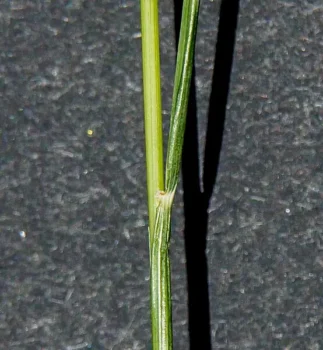
Hard Fescue: A Low-Maintenance Grass for Challenging Sites
Looking for a tough, no-fuss grass that can handle neglect and still look decent? Hard fescue (Festuca brevipila) might be worth considering. This perennial bunch grass has earned a reputation as one of the most drought-tolerant and low-maintenance grasses you can grow, though it comes with some caveats worth knowing about.
What Exactly Is Hard Fescue?
Hard fescue is a cool-season perennial grass that forms dense, fine-textured clumps of blue-green to gray-green foliage. Don’t let the name fool you – while it’s called hard, it’s actually quite soft to the touch. The hard refers to its incredibly tough constitution and ability to survive in conditions that would make other grasses throw in the towel.
Originally from Europe and parts of Asia, this non-native species has established itself across much of North America. You’ll find it growing in a wide range of locations, from Alberta and British Columbia down to Alabama and Georgia, and everywhere in between including most U.S. states and Canadian provinces.
- Species observed
- No observations
The Good, The Bad, and The Practical
Here’s where hard fescue shines: it’s practically indestructible once established. This grass thrives in poor soils, handles drought like a champ, and asks for almost nothing in return. It’s particularly valuable for:
- Erosion control on slopes and banks
- Low-traffic areas that need ground cover
- Xeriscapes and water-wise gardens
- Sites where you want something green but don’t want to fuss with it
However, since hard fescue isn’t native to North America, consider whether a native alternative might better serve your local ecosystem. Native bunch grasses like buffalo grass, blue grama, or regional sedges often provide similar benefits while supporting local wildlife.
Growing Conditions and Care
Hard fescue is remarkably unfussy about its growing conditions, which is both its strength and its appeal:
- Sunlight: Full sun to partial shade (though it prefers sun)
- Soil: Thrives in well-draining soils; tolerates poor, sandy, or rocky conditions
- Water: Drought-tolerant once established; actually prefers less water than more
- Climate: Hardy in USDA zones 4-7
The grass strongly prefers upland conditions and almost never occurs in wetlands across most regions, though it can occasionally tolerate slightly moister conditions in the Midwest and western mountains.
Planting and Establishment
Getting hard fescue started is straightforward:
- Plant seeds in fall or early spring when temperatures are cool
- Scatter seeds over prepared soil and lightly rake in
- Keep soil consistently moist until germination (usually 2-3 weeks)
- Once established, reduce watering significantly
The key to success is patience during the first year. Hard fescue establishes slowly but surely, developing deep roots that will serve it well in tough conditions.
Maintenance (Or Lack Thereof)
This is where hard fescue really earns its keep. Once established, it needs minimal care:
- Mow once or twice per year if desired (or not at all)
- No fertilization needed – it actually prefers lean conditions
- Water only during extreme drought, if at all
- Leave it alone and let it do its thing
Landscape Uses
Hard fescue works best in naturalized settings rather than formal lawns. Consider it for:
- Meadow gardens and prairie-style plantings
- Transition areas between cultivated and wild spaces
- Difficult sites where other plants struggle
- Low-maintenance ground cover for large areas
Wildlife and Ecosystem Considerations
As a wind-pollinated grass, hard fescue doesn’t offer much direct benefit to pollinators. Its wildlife value is limited compared to native grasses that co-evolved with local fauna. If supporting local ecosystems is a priority, research native alternatives that provide similar functions but better ecological benefits.
The Bottom Line
Hard fescue is a practical choice for challenging sites where you need something reliable and low-maintenance. While it won’t win any beauty contests, it gets the job done with minimal input. Just remember that choosing native alternatives when possible helps support local wildlife and maintains regional biodiversity. Sometimes the most responsible gardening choice is the one that gives back to the ecosystem, even if it requires a bit more effort on our part.