Hardy Fuchsia: A Charming Non-Native Shrub for Temperate Gardens
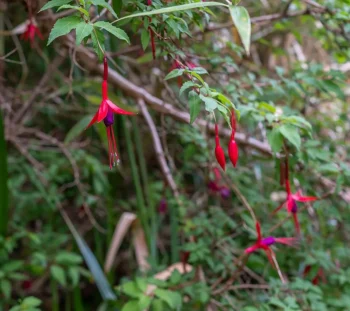
If you’ve ever spotted a shrub adorned with delicate, dangling flowers that look like tiny ballerinas in tutus, you’ve likely encountered the hardy fuchsia (Fuchsia magellanica). This perennial shrub brings a touch of whimsical elegance to gardens with its distinctive red and purple blooms that dance in the breeze from summer through fall.
Origins and Distribution
Hardy fuchsia hails from the cool, temperate regions of Chile and Argentina, where it thrives in the Patagonian landscape. As a non-native species, it has been introduced to various parts of the United States and now grows wild in California, Hawaii, and Oregon, where it reproduces spontaneously and persists without human intervention.
- Species observed
- No observations
What Makes Hardy Fuchsia Special
This multi-stemmed shrub typically reaches 4-5 feet in height, though it can grow taller under ideal conditions. What sets hardy fuchsia apart from its more tender cousins is its ability to survive cooler temperatures, making it suitable for USDA hardiness zones 6-9. The plant’s most striking feature is undoubtedly its flowers – elegant pendulous blooms with bright red sepals that curl back to reveal purple petals, creating a two-toned spectacle that’s hard to ignore.
Garden Role and Design Applications
Hardy fuchsia shines in several garden settings:
- Cottage gardens where its informal growth habit adds charm
- Woodland gardens as an understory shrub
- Coastal gardens where it tolerates salt-tinged air
- Mixed borders for season-long interest
- Specimen plantings where its unique flowers can be showcased
Wildlife and Pollinator Benefits
The tubular flowers of hardy fuchsia are particularly appealing to hummingbirds, whose long beaks can easily access the nectar within. Some long-tongued insects also visit the blooms, though the flower structure is primarily adapted for bird pollination.
Growing Conditions and Care
Hardy fuchsia prefers cool, moist conditions and performs best with:
- Partial shade to full sun in cooler climates
- Well-draining soil that retains some moisture
- Protection from hot afternoon sun in warmer zones
- Regular watering, especially during dry spells
- Mulching to keep roots cool and retain moisture
According to wetland status classifications, this plant typically occurs in non-wetland areas but may occasionally be found in wetland environments, indicating its moderate moisture preferences.
Planting and Care Tips
For successful hardy fuchsia cultivation:
- Plant in spring after the last frost
- Choose a location with morning sun and afternoon shade in hot climates
- Water regularly but ensure good drainage to prevent root rot
- Apply a balanced fertilizer during the growing season
- Prune lightly after flowering to maintain shape
- In colder zones, mulch heavily around the base for winter protection
Considerations for Responsible Gardening
While hardy fuchsia isn’t currently listed as invasive or noxious, it’s worth noting that this non-native species can spread and establish itself in wild areas. As responsible gardeners, we might consider native alternatives that provide similar benefits:
- Red-flowering currant (Ribes sanguineum) for hummingbird attraction
- Native honeysuckles for tubular flowers
- Regional native shrubs with similar growth habits and wildlife benefits
The Bottom Line
Hardy fuchsia offers undeniable charm with its graceful flowers and reliable performance in temperate gardens. While it’s not native to North America, it can be a lovely addition to appropriate garden settings when grown responsibly. Just remember to keep an eye on its spread and consider complementing it with native plants that support local ecosystems. Whether you choose to grow hardy fuchsia or explore native alternatives, the key is creating a garden that brings you joy while being mindful of the broader environmental picture.