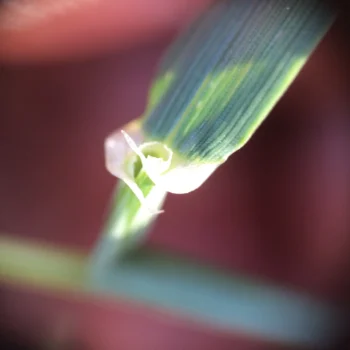
Hare Barley: What Every Gardener Should Know About This Widespread Grass
If you’ve ever wondered about that spiky grass popping up in your garden beds or along pathways, you might be looking at hare barley (Hordeum murinum leporinum). Also known as foxtail barley, this annual grass has made itself quite at home across North America, despite being a non-native species originally from the Mediterranean region.
The Basics: What Is Hare Barley?
Hare barley is an annual graminoid – that’s botanist-speak for a grass-like plant. Don’t let the fancy terminology fool you; this is essentially a wild grass that completes its entire life cycle in one growing season. You might also see it referenced by its botanical synonyms, including Hordeum leporinum or Critesion murinum ssp. leporinum, but they’re all talking about the same plant.
Where You’ll Find It
This adaptable grass has spread far and wide since its introduction to North America. You can now find hare barley established in numerous states across the country, from the Pacific Coast states of California, Oregon, and Washington, to Eastern seaboard locations like Connecticut, Delaware, and Georgia. It’s also made its way into Canada (British Columbia) and even Hawaii.
- Species observed
- No observations
Should You Grow Hare Barley?
Here’s where things get interesting. While hare barley isn’t officially classified as invasive in most areas, it’s not exactly what you’d call a garden showstopper either. This grass tends to have low ornamental value and is generally considered weedy in nature. It’s one of those plants that’s more likely to show up uninvited rather than being something you’d intentionally plant.
Since hare barley reproduces spontaneously and persists without human help, it’s already doing just fine on its own. If you’re looking to add grasses to your landscape, you might want to consider native alternatives that provide better wildlife benefits and fit more naturally into your local ecosystem.
Growing Conditions (If You’re Curious)
Should you encounter hare barley in your garden, you’ll notice it’s pretty adaptable. This grass can handle a wide range of growing conditions and is notably drought-tolerant once established. It thrives in USDA hardiness zones 3-10, which explains its widespread distribution across diverse climates.
The Wildlife Factor
As a wind-pollinated grass, hare barley doesn’t offer much in terms of pollinator benefits. While some wildlife might use it for cover or nesting material, native grass species typically provide much better habitat and food sources for local birds, insects, and other wildlife.
Better Native Alternatives
If you’re drawn to the idea of incorporating grasses into your landscape, consider exploring native options specific to your region. Native grasses offer superior wildlife benefits, require less maintenance once established, and contribute to the health of your local ecosystem. Your local native plant society or extension office can help you identify the best native grass species for your area.
Management Tips
If hare barley appears uninvited in your garden, early removal before it sets seed is your best bet for preventing its spread. Since it’s an annual, consistent removal can eventually reduce its presence in your landscape.
Remember, every garden tells a story, and choosing plants that support your local ecosystem helps write a better chapter for the wildlife in your area. While hare barley might be here to stay, making conscious choices about what we encourage in our gardens can make all the difference.