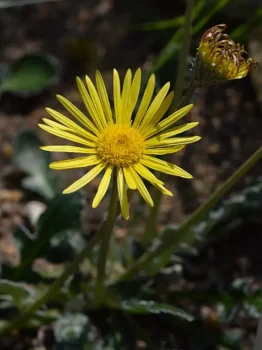
Harp Onefruit: A Mysterious Non-Native Forb
If you’ve stumbled across the name harp onefruit in your gardening research, you might be wondering what exactly this plant is and whether it belongs in your garden. Haplocarpha lyrata, commonly known as harp onefruit, is one of those mysterious plants that doesn’t get much airtime in the gardening world – and for good reason.
What Is Harp Onefruit?
Harp onefruit is a perennial forb, which simply means it’s a non-woody flowering plant that comes back year after year. As a forb, it lacks the thick, woody stems you’d find on shrubs or trees, instead producing softer, more herbaceous growth that dies back and regenerates from buds at or below ground level.
Where Does It Grow?
Here’s where things get interesting – and a bit concerning for native plant enthusiasts. Harp onefruit is not native to North America. This introduced species has established itself in Florida, where it now reproduces on its own in the wild without any human assistance.
- Species observed
- No observations
Should You Plant Harp Onefruit?
Here’s the honest truth: we’d recommend steering clear of harp onefruit for your garden, and here’s why:
- Limited growing information: There’s very little reliable information about how to successfully cultivate this plant
- Unknown ecological impact: As a non-native species that’s already established in the wild, its long-term effects on local ecosystems remain unclear
- Mysterious requirements: Without knowing its specific growing needs, you’d essentially be gardening blind
Better Native Alternatives
Instead of gambling with harp onefruit, why not choose native Florida forbs that are well-documented, ecologically beneficial, and easier to grow successfully? Consider these fantastic alternatives:
- Wild bergamot (Monarda fistulosa) – A pollinator magnet with aromatic foliage
- Blanket flower (Gaillardia pulchella) – Bright, cheerful blooms that butterflies adore
- Black-eyed Susan (Rudbeckia hirta) – Reliable, sunny flowers that support numerous wildlife species
The Bottom Line
While harp onefruit might sound intriguing, it falls into that tricky category of plants that are present in our landscapes but not well-understood from a gardening perspective. Without clear information about its growing requirements, potential invasiveness, or garden value, it’s simply not worth the risk when so many wonderful, well-documented native alternatives are available.
Your garden will be more successful, more beneficial to local wildlife, and more predictable when you choose plants with proven track records. Save yourself the guesswork and opt for native species that will reward your efforts with reliable beauty and ecological benefits.