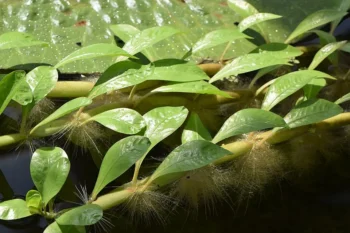
Hassler’s Alternanthera: A Mystery Plant Worth Knowing About
If you’ve stumbled across the name Hassler’s alternanthera (Alternanthera hassleriana) in your plant research, you’ve discovered one of gardening’s more elusive species. This member of the amaranth family is so rarely discussed in horticultural circles that finding reliable growing information feels like searching for a needle in a haystack.
What We Know About Hassler’s Alternanthera
Alternanthera hassleriana, commonly known as Hassler’s alternanthera, belongs to the diverse Alternanthera genus, which includes many popular ornamental plants. You might also see it referenced under its synonym Alternanthera hasslerana. However, that’s where our clear information trail goes cold.
Unlike its more famous cousins like Joseph’s coat (Alternanthera ficoidea) or lesser joyweed (Alternanthera sessilis), this particular species remains shrouded in mystery when it comes to practical gardening applications.
The Challenge of Obscure Species
Here’s the honest truth: comprehensive growing information for Alternanthera hassleriana is virtually nonexistent in standard horticultural literature. This could mean several things:
- It may be an extremely rare species with limited distribution
- It could be a historical botanical name that’s no longer in common use
- The plant might exist primarily in specialized botanical collections rather than general cultivation
- It may be endemic to a very specific geographic region with little horticultural interest
What This Means for Gardeners
If you’re hoping to add Hassler’s alternanthera to your garden, you’ll face significant challenges. Without clear information about its native range, growing requirements, or availability through nurseries, this isn’t a plant you can easily incorporate into your landscape plans.
The lack of information also means we can’t determine important factors like:
- Whether it’s suitable for your climate zone
- Its preferred growing conditions
- Potential invasive tendencies
- Wildlife and pollinator benefits
- Appropriate garden settings
Better Alternatives for Your Garden
If you’re drawn to the Alternanthera genus for its typically colorful foliage and easy-going nature, consider these better-documented options:
- Joseph’s Coat (Alternanthera ficoidea) – Brilliant red, yellow, and green foliage
- Purple Prince (Alternanthera dentata) – Deep purple leaves with excellent heat tolerance
- Bloodleaf (Alternanthera sessilis) – Native to warmer regions with attractive reddish foliage
These alternatives offer the visual appeal you might be seeking while providing reliable growing information and easier availability through nurseries.
The Bottom Line
While Alternanthera hassleriana exists as a botanical entity, it remains impractical for most gardening purposes due to the complete lack of cultivation information and apparent unavailability. Sometimes the most honest advice is to acknowledge when a plant falls outside the realm of practical horticulture.
If you’re specifically researching this species for academic or scientific purposes, you’ll likely need to consult specialized botanical databases or contact research institutions. For garden-variety gardening (pun intended), you’ll find much more success with the well-documented members of the Alternanthera family.