Hawai’i Ticktrefoil: A Spreading Ground Cover for Tropical Gardens
Meet Hawai’i ticktrefoil (Desmodium sandwicense), a perennial herb that’s made itself quite at home in the Pacific islands despite its foreign origins. Also known by the charming names chili clover and Spanish clover, this little ground-hugger has been quietly establishing itself across Hawaii, Guam, and other Pacific territories for decades.
What Exactly Is Hawai’i Ticktrefoil?
Don’t let the name fool you – this plant isn’t actually native to Hawaii. Desmodium sandwicense is a non-native species that originally hails from tropical America. It’s a classic example of a plant that’s become so well-established in its adopted home that it’s earned a local name. As a member of the legume family, it’s technically classified as a forb herb, meaning it’s a non-woody plant that dies back to ground level but returns year after year thanks to its perennial nature.
Where You’ll Find It Growing
This adaptable little plant has spread throughout Hawaii, Guam, and various U.S. Minor Outlying Islands in the Pacific. It’s particularly fond of areas that aren’t too wet – botanists classify it as facultative upland, which is a fancy way of saying it usually prefers drier ground but won’t turn its nose up at occasionally soggy spots.
- Species observed
- No observations
What Does It Look Like?
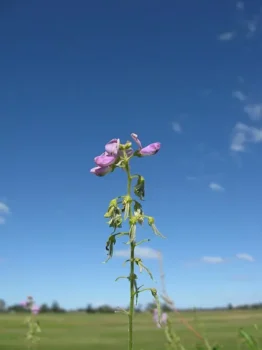
Hawai’i ticktrefoil is a sprawling ground cover that produces delicate clusters of small purple to pink flowers. Its leaves are trifoliate (three-part), giving it that classic clover appearance that earned it one of its common names. The plant has a low-growing, spreading habit that makes it effective for covering ground, though it can sometimes get a bit too enthusiastic about its job.
Should You Plant Hawai’i Ticktrefoil?
Here’s where things get interesting. While this plant isn’t currently listed as invasive or noxious, its status is somewhat uncertain. As a non-native species that readily reproduces on its own in the wild, it falls into that gray area that makes responsible gardeners pause and think.
If You’re Considering Growing It
If you’re drawn to this plant’s ground-covering abilities and nitrogen-fixing benefits (like all legumes, it helps improve soil), here are some things to keep in mind:
- It thrives in USDA hardiness zones 10-12, making it suitable for tropical and subtropical climates
- Prefers sunny to partially shaded locations
- Adaptable to various soil types
- Low maintenance once established
- Can spread readily, so consider whether you want it contained
Native Alternatives to Consider
Before committing to Hawai’i ticktrefoil, consider exploring native Hawaiian ground covers that provide similar benefits without the ecological uncertainty. Native plants are always the gold standard for supporting local wildlife and maintaining natural ecosystem balance.
The Bottom Line
While Hawai’i ticktrefoil isn’t necessarily a bad plant, it’s worth approaching with the same thoughtfulness you’d give any non-native species. Its attractive flowers may draw some pollinators, and its nitrogen-fixing abilities can benefit soil health, but these benefits come with the responsibility of ensuring it doesn’t become problematic in your local ecosystem.
If you do choose to grow it, keep an eye on its spreading habits and consider the bigger picture of your garden’s impact on the surrounding environment. After all, the best gardens are those that work harmoniously with their local ecosystems rather than against them.