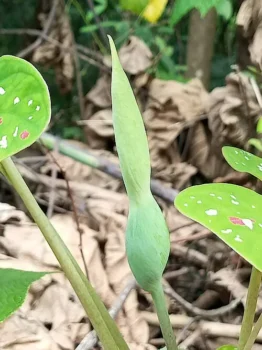
Heart of Jesus: A Colorful Tropical Beauty for Your Garden
If you’re looking to add a splash of vibrant color to those tricky shaded spots in your garden, the Heart of Jesus (Caladium bicolor) might just be the showstopper you’ve been searching for. With its dramatically patterned leaves that seem almost too beautiful to be real, this tropical stunner has been winning over gardeners who want to create eye-catching displays without relying on flowers.
What Is Heart of Jesus?
Heart of Jesus, scientifically known as Caladium bicolor, is a perennial forb that’s all about the foliage. Unlike woody plants, this beauty puts all its energy into producing those spectacular heart-shaped leaves that come in mesmerizing combinations of green, white, pink, and red. Each leaf looks like nature’s own work of art, with intricate patterns and color combinations that can make even the most seasoned gardener do a double-take.
Where Does It Come From?
Originally hailing from the tropical regions of South America, particularly Brazil, Heart of Jesus has made itself at home in warmer parts of the United States. You’ll currently find it growing in Florida, Louisiana, Guam, Palau, Puerto Rico, U.S. Minor Outlying Islands, and the Virgin Islands. It’s worth noting that this plant is considered non-native to these areas, having been introduced and now reproducing on its own in the wild.
- Species observed
- No observations
The Appeal Factor
Let’s be honest – Heart of Jesus is a bit of a drama queen, and that’s exactly why people love it. Those large, heart-shaped leaves create an instant tropical vibe that can transform a boring corner into a conversation starter. The color combinations are simply stunning, with some varieties showing off bold pink centers with green edges, while others display elegant white patterns on deep green backgrounds.
Garden Design and Landscaping Role
Heart of Jesus excels in several garden settings:
- Shade gardens where most colorful plants struggle
- Container gardens and patio displays
- Tropical and subtropical landscape designs
- Indoor houseplant collections
- Mass plantings for dramatic seasonal color
This plant really shines when you want to add color to areas that don’t get full sun – something many flowering plants can’t handle as gracefully.
Growing Conditions and Care
Heart of Jesus can be a bit particular about its living conditions, but once you get the hang of it, it’s quite rewarding:
Climate: Hardy in USDA zones 9-11 for year-round outdoor growing. In cooler areas, treat it as an annual or bring containers indoors during winter.
Light: Prefers bright, indirect light or partial shade. Too much direct sunlight can actually scorch those beautiful leaves.
Water: Likes consistently moist soil but not waterlogged conditions. The plant has a facultative relationship with wetlands, meaning it can handle both wet and drier conditions, though it generally prefers some moisture.
Soil: Thrives in well-draining, organic-rich soil that holds some moisture but doesn’t stay soggy.
Planting and Care Tips
- Plant tubers in spring after the soil has warmed up
- Keep soil consistently moist but ensure good drainage
- Provide high humidity when possible – they love that tropical feel
- Protect from strong winds that can damage the delicate leaves
- In cooler climates, dig up tubers before the first frost and store them indoors
Wildlife and Pollinator Considerations
While Heart of Jesus certainly adds visual appeal to your garden, it’s primarily grown for its foliage rather than any significant wildlife or pollinator benefits. The plant doesn’t produce showy flowers that attract bees or butterflies, so if supporting pollinators is your main goal, you might want to consider other options.
Should You Plant It?
Heart of Jesus can be a fantastic addition to your garden if you’re looking for reliable foliage color in shaded areas and enjoy the tropical aesthetic. Since it’s non-native but not currently listed as invasive or noxious, you can feel comfortable growing it responsibly.
However, if you’re passionate about supporting native ecosystems, you might want to explore native alternatives that can provide similar visual interest while also benefiting local wildlife. Consider researching native shade-loving plants in your area that might offer both beauty and ecological value.
The Bottom Line
Heart of Jesus is like that friend who always shows up to the party in the most fabulous outfit – it’s definitely going to get noticed. If you have the right growing conditions and appreciate dramatic foliage, this tropical beauty can add serious wow factor to your garden. Just remember that it’s all about the leaves with this one, so don’t expect much in the way of flowers or wildlife attraction. But sometimes, looking absolutely stunning is enough!