Heartleaf Hempvine: A Beautiful But Problematic Vine You Should Avoid
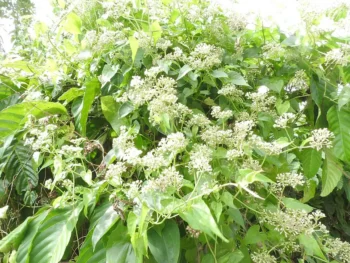
If you’ve encountered a fast-growing vine with distinctive heart-shaped leaves and clusters of small, fluffy white flowers, you might be looking at heartleaf hempvine (Mikania cordata). While this climbing plant might seem like an attractive option for quick coverage in your garden, there’s a compelling reason why you should think twice before welcoming it into your landscape.
What is Heartleaf Hempvine?
Heartleaf hempvine, also known by its botanical name Mikania cordata, is a herbaceous climbing vine that belongs to the sunflower family. This non-woody perennial gets its common name from its characteristic heart-shaped leaves that make it easy to identify. You might also see it referenced by its scientific synonym, Eupatorium cordatum.
The plant produces small, white to pinkish flower clusters that, while attractive to pollinators, are actually part of what makes this species so problematic in many areas.
Where Does It Come From?
This vigorous vine is native to tropical and subtropical regions of the Americas, including parts of South America, Central America, and the Caribbean. In its native habitat, natural predators and environmental factors help keep its growth in check.
Why You Shouldn’t Plant Heartleaf Hempvine
Here’s the crucial information every gardener needs to know: heartleaf hempvine is classified as a noxious weed in the United States. This legal designation isn’t given lightly – it means this plant poses a serious threat to native ecosystems, agriculture, or human health.
The reasons for its noxious status include:
- Extremely aggressive growth that can smother native vegetation
- Rapid spreading ability that makes it difficult to control once established
- Potential to escape cultivation and invade natural areas
- Displacement of native plants that local wildlife depends on
What Makes It So Problematic?
As a fast-growing herbaceous vine, heartleaf hempvine can quickly cover large areas, climbing over and smothering other plants in its path. Its aggressive nature means it often outcompetes native species for resources like sunlight, water, and nutrients. While it does attract some pollinators with its flowers, the ecological damage it causes far outweighs any minor benefits.
Better Native Alternatives
Instead of risking the introduction of this problematic species, consider these native climbing alternatives that provide similar aesthetic appeal without the environmental concerns:
- Native honeysuckles (Lonicera species) for fragrant flowers
- Native morning glories for heart-shaped leaves and colorful blooms
- Virginia creeper (Parthenocissus quinquefolia) for fast coverage
- Native grapes (Vitis species) for wildlife value and potential fruit
What to Do If You Find It
If you discover heartleaf hempvine already growing on your property, it’s important to remove it promptly and responsibly. Contact your local extension office or invasive species management program for guidance on proper removal techniques and disposal methods. Never compost this plant or move it to other locations.
The Bottom Line
While heartleaf hempvine might seem appealing with its attractive foliage and quick growth, its classification as a noxious weed makes it a plant to avoid entirely. By choosing native alternatives instead, you’ll create a beautiful landscape that supports local ecosystems and wildlife while avoiding the headaches that come with managing an invasive species. Remember, the most sustainable gardens work with nature, not against it.