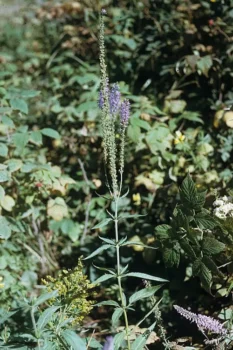
Heartleaf Speedwell: A European Perennial Finding Its Place in North American Gardens
If you’ve ever stumbled across a charming little plant with heart-shaped leaves and delicate spikes of blue-purple flowers in your garden, you might have met heartleaf speedwell (Veronica grandis). This European native has quietly made itself at home in parts of North America, and while it’s not originally from our shores, it brings some interesting qualities to the garden table.
What Is Heartleaf Speedwell?
Heartleaf speedwell is a perennial forb – that’s garden-speak for a non-woody herbaceous plant that comes back year after year. Unlike its woody shrub cousins, this plant dies back to the ground each winter and emerges fresh each spring. It’s also known by the synonym Veronica bachofenii, though most gardeners will know it simply as heartleaf speedwell.
Where Does It Grow?
Originally from Europe and western Asia, heartleaf speedwell has established populations in Quebec, New York, and Wisconsin. It’s considered a non-native species that reproduces on its own in the wild, meaning it doesn’t need human help to spread and persist in these areas.
- Species observed
- No observations
Garden Appeal and Landscape Role
What makes heartleaf speedwell appealing to gardeners? Here are its standout features:
- Attractive heart-shaped leaves that give the plant its common name
- Delicate spikes of small blue to purple flowers that bloom in summer
- Compact, low-growing habit perfect for ground cover
- Pollinator-friendly flowers that attract bees and small butterflies
This plant works well in cottage gardens, naturalized areas, and wildflower meadows. It’s particularly useful as a border plant or ground cover where you want something that looks natural without being too aggressive.
Growing Conditions and Care
Heartleaf speedwell is refreshingly low-maintenance once established. Here’s what it needs to thrive:
- Soil: Moist, well-draining soil; tolerates various soil types
- Light: Partial shade to full sun
- Hardiness: USDA zones 3-8
- Water: Regular moisture, but not waterlogged conditions
Planting and Maintenance Tips
Getting started with heartleaf speedwell is straightforward:
- Plant in spring or early fall when temperatures are moderate
- Space plants about 12-18 inches apart
- Water regularly during the first growing season to establish roots
- Divide clumps every 3-4 years to maintain vigor
- Deadhead spent flowers to prevent excessive self-seeding if desired
One thing to note: heartleaf speedwell can self-seed, so keep an eye on it if you prefer a more controlled garden setting.
Should You Plant It?
Here’s the honest scoop: while heartleaf speedwell isn’t problematic or invasive, it’s also not native to North America. If you’re already growing it and enjoying it, there’s no need to rip it out – it’s a well-behaved garden citizen. However, if you’re planning new plantings, you might consider native alternatives that provide similar benefits while supporting local ecosystems.
Some native speedwell alternatives to consider include American brooklime (Veronica americana) or culver’s root (Veronicastrum virginicum), depending on your specific growing conditions and design goals.
The Bottom Line
Heartleaf speedwell is a pleasant, low-maintenance perennial that can add charm to informal garden settings. While it’s not native to North America, it’s not causing ecological havoc either. Whether you choose to grow it or opt for native alternatives, the most important thing is creating a garden that brings you joy while being mindful of the broader ecosystem. Happy gardening!