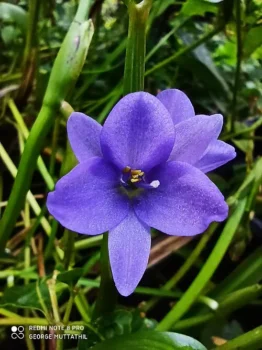
Heartshape False Pickerelweed: A Wetland Plant You Should Avoid in Your Garden
If you’ve stumbled across heartshape false pickerelweed (Monochoria vaginalis) while researching aquatic plants for your water garden, you might be tempted by its charming heart-shaped leaves and delicate purple flowers. However, before you consider adding this plant to your landscape, there are some important facts you need to know about this non-native species.
What is Heartshape False Pickerelweed?
Heartshape false pickerelweed is a wetland forb—essentially a non-woody plant that thrives in consistently wet conditions. Native to tropical and subtropical regions of Asia, this annual to perennial plant has made its way to the United States, where it’s established populations in California and Hawaii.
The plant gets its common name from its distinctive heart-shaped leaves and its resemblance to true pickerelweed, though they’re not closely related. You might also encounter it under its botanical synonyms, including Pontederia vaginalis.
- Species observed
- No observations
Why You Should Think Twice Before Planting
Here’s the critical information every gardener needs to know: Heartshape false pickerelweed is classified as a noxious weed in the United States. This designation means it’s considered harmful to agriculture, ecosystems, or public health, and its cultivation may be restricted or prohibited in your area.
As a non-native species that reproduces spontaneously in the wild, this plant has the potential to disrupt local ecosystems and outcompete native wetland plants that wildlife depends on.
Plant Characteristics
If you encounter this plant in the wild, here’s how to identify it:
- Heart-shaped leaves that emerge from the water or wet soil
- Small purple to blue flowers arranged on upright spikes
- Grows as an obligate wetland plant (almost always found in wetlands)
- Can function as either an annual or perennial depending on conditions
- Thrives in full sun to partial shade with consistently moist to waterlogged soil
Growing Conditions and Hardiness
While we don’t recommend planting heartshape false pickerelweed, understanding its preferred conditions can help you identify it in the landscape. This plant:
- Requires constant moisture or standing water
- Grows best in USDA hardiness zones 9-11
- Prefers full sun but tolerates partial shade
- Thrives in bog-like conditions, pond edges, and rice fields
Better Native Alternatives
Instead of risking ecological harm with this non-native species, consider these beautiful native wetland alternatives:
- American pickerelweed (Pontederia cordata): The true native pickerelweed with stunning blue flower spikes
- Arrowhead (Sagittaria species): Features distinctive arrow-shaped leaves and white flowers
- Blue flag iris (Iris versicolor): Offers gorgeous blue-purple flowers and sword-like foliage
- Wild rice (Zizania species): Provides food for wildlife and has graceful, grass-like appearance
What to Do if You Find It
If you discover heartshape false pickerelweed on your property or in local waterways, contact your local extension office or environmental agency. They can provide guidance on proper removal methods and reporting procedures, as this plant’s noxious status means its presence may need to be documented.
The Bottom Line
While heartshape false pickerelweed might seem like an attractive addition to water gardens with its heart-shaped leaves and purple flowers, its status as a noxious weed makes it a poor choice for responsible gardeners. Instead, embrace the beauty and ecological benefits of native wetland plants that will support local wildlife while creating the stunning aquatic garden of your dreams.
Remember: the most beautiful gardens are those that work in harmony with local ecosystems, providing habitat for native wildlife while avoiding plants that could cause environmental harm.