Heath Woodrush: A Modest Grass-Like Perennial for Naturalized Gardens
If you’re looking for a low-key, grass-like plant that won’t steal the show but will quietly do its job in your garden, heath woodrush (Luzula congesta) might catch your attention. This unassuming perennial brings a subtle, naturalized feel to landscapes, though it comes with a few considerations worth knowing about.
What Exactly is Heath Woodrush?
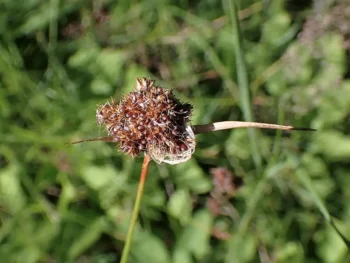
Heath woodrush is a perennial graminoid—basically a fancy way of saying it’s grass-like but not technically a true grass. Instead, it belongs to the rush family, forming small, dense tufts of narrow, dark green leaves. In late spring to early summer, it produces clusters of small, brownish flower heads that add texture rather than bold color to the garden.
This plant goes by the botanical name Luzula congesta, and while it may have other common names floating around, heath woodrush seems to be the name that stuck. You might also encounter it listed under various synonyms in older gardening references, including Luzula campestris var. congesta or Luzula multiflora var. congesta.
Where Does Heath Woodrush Come From?
Here’s where things get interesting: heath woodrush isn’t native to North America. Originally from Europe, particularly northern and mountainous regions, this plant has made itself at home in parts of the northeastern United States. Currently, you’ll find established populations in Maine and Vermont, where it reproduces on its own without human intervention.
- Species observed
- No observations
Should You Plant Heath Woodrush?
The answer depends on what you’re looking for and your gardening philosophy. Since heath woodrush is non-native but not considered invasive or harmful, it falls into that neutral territory where personal preference takes the lead.
Reasons You Might Like It:
- Low maintenance once established
- Tolerates a range of growing conditions
- Adds natural texture to rock gardens and woodland edges
- Hardy in USDA zones 4-7
- Self-seeds modestly, filling in naturalized areas
Reasons You Might Skip It:
- Not native to North America
- Provides limited benefits to local wildlife and pollinators
- Relatively unremarkable appearance
- Can be challenging to source from nurseries
Growing Heath Woodrush Successfully
If you decide heath woodrush fits your garden vision, here’s how to keep it happy:
Growing Conditions:
- Soil: Prefers moist, well-draining soil but adapts to various soil types
- Light: Tolerates partial shade to full sun
- Water: Moderate moisture; can handle some drought once established
- Climate: Thrives in USDA hardiness zones 4-7
Planting and Care Tips:
- Plant in spring or fall when temperatures are moderate
- Space plants 6-12 inches apart for ground cover effect
- Water regularly during the first growing season to establish roots
- Divide clumps every 3-4 years to prevent overcrowding
- Remove spent flower heads if you want to prevent self-seeding
- Generally pest and disease-free
Heath Woodrush in the Landscape
This plant works best in naturalized settings rather than formal garden beds. Think rock gardens, woodland edges, or areas where you want a wild look without actual wildness. Its facultative wetland status means it can handle both moist and drier conditions, making it versatile for transitional areas in your landscape.
Heath woodrush won’t be your garden’s star performer, but it can play a supporting role in creating texture and natural movement, especially when planted in drifts or allowed to self-seed in appropriate areas.
Native Alternatives to Consider
If you love the idea of a grass-like plant but prefer supporting native species, consider these North American alternatives:
- Path rush (Juncus tenuis): A native rush that’s equally low-maintenance
- Pennsylvania sedge (Carex pensylvanica): Excellent native ground cover for woodland areas
- Buffalo grass (Poaceae family natives): Various regional native grasses for naturalized areas
The Bottom Line
Heath woodrush is neither a garden villain nor a garden hero—it’s simply a plant that does its job quietly and without fuss. Whether you choose to grow it depends on your priorities and garden goals. If you’re drawn to its understated charm and don’t mind its non-native status, it can be a pleasant addition to informal garden areas. However, if supporting native ecosystems is your primary goal, you’ll find equally attractive native alternatives that better serve local wildlife and pollinators.