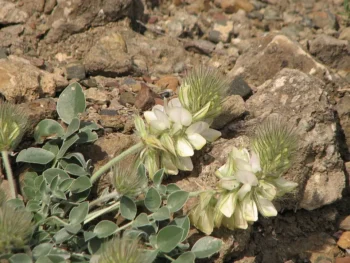
Hedysarum candidum: A Mysterious Member of the Sweetvetch Family
If you’ve stumbled upon the name Hedysarum candidum in your plant research, you might be scratching your head wondering what exactly this plant is. You’re not alone! This particular species is something of a botanical mystery, with very limited information available in standard plant databases and native plant resources.
What We Know About Hedysarum candidum
Hedysarum candidum belongs to the genus Hedysarum, which is part of the legume family (Fabaceae). The genus name comes from the Greek words meaning sweet and broom, and plants in this group are commonly known as sweetvetches. However, specific information about Hedysarum candidum as a distinct species is remarkably scarce in botanical literature.
The Challenge with Limited Information
Here’s the thing about obscure plant names – sometimes they represent:
- Very rare species with limited documentation
- Regional varieties that haven’t been widely studied
- Outdated botanical names that have been reclassified
- Misidentified specimens
Without reliable information about its native range, growing requirements, or ecological role, it’s impossible to provide specific guidance about geographic distribution.
A Word of Caution for Gardeners
Given the lack of reliable information about Hedysarum candidum, I’d recommend extreme caution before attempting to grow this plant. Without knowing its native status, invasive potential, or growing requirements, you could be taking unnecessary risks with your garden ecosystem.
Better Alternatives: Known Sweetvetch Species
Instead of pursuing this mysterious species, consider these well-documented alternatives from the same genus:
- Hedysarum alpinum (Alpine sweetvetch) – native to northern regions
- Hedysarum boreale (Northern sweetvetch) – excellent for northern gardens
- Hedysarum occidentale (Western sweetvetch) – great for western North American landscapes
These alternatives offer the legume family benefits you’re likely seeking – nitrogen fixation, wildlife habitat, and attractive flowers – with the added bonus of documented growing requirements and known ecological roles.
The Bottom Line
While botanical mysteries can be intriguing, successful native gardening relies on choosing plants with well-documented characteristics and known ecological benefits. If you’re specifically interested in Hedysarum candidum for research purposes, I’d recommend consulting with botanical institutions or herbarium specialists who might have access to specialized literature.
For your garden, stick with the tried-and-true native alternatives that will give you reliable results and known benefits for local wildlife. Your pollinators and soil will thank you!