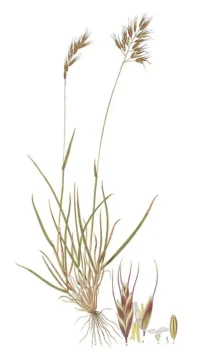
Helictotrichon versicolor: A Mystery Grass Worth Skipping
Sometimes in the world of native gardening, we encounter plants that sound intriguing but leave us scratching our heads when it comes to actually growing them. Helictotrichon versicolor is one such mysterious grass that, despite its lovely botanical name (which hints at varied colors), offers gardeners more questions than answers.
What We Know (And Don’t Know)
Here’s the straight scoop: Helictotrichon versicolor is classified as a graminoid—that’s botanist speak for a grass or grass-like plant. It belongs to the same family as true grasses, sedges, and rushes. The plant also goes by the synonym Avenochloa versicolor, which suggests some taxonomic shuffling has occurred over the years.
But here’s where things get tricky. Beyond these basic facts, reliable information about this particular species is surprisingly scarce. We don’t have solid data on:
- Where it’s native to
- What growing conditions it prefers
- How big it gets
- Whether it’s invasive or beneficial
- Its wildlife value
- How to successfully grow it
The Geographic Mystery
The plant’s geographic distribution remains unclear, making it impossible to determine whether it would be appropriate for native gardening projects in any particular region.
Why You Might Want to Look Elsewhere
When a plant lacks basic horticultural information—especially details about growing conditions, native range, and potential invasiveness—it’s generally wise to choose better-documented alternatives. Here’s why Helictotrichon versicolor might not be the best choice for your garden:
- Unknown growing requirements make successful cultivation a guessing game
- Unclear native status means you can’t be sure it’s appropriate for native landscaping
- No information about wildlife benefits means you might miss opportunities to support local ecosystems
- Potential difficulty sourcing the plant from reputable nurseries
Better Grass Alternatives
Instead of puzzling over this enigmatic species, consider these well-documented native grasses that offer proven garden performance:
- Little bluestem (Schizachyrium scoparium) – gorgeous fall color and excellent wildlife value
- Buffalo grass (Poaceae family natives) – drought-tolerant and low-maintenance
- Native sedges (Carex species) – diverse options for various moisture conditions
- Regional bunch grasses specific to your area
The Bottom Line
While Helictotrichon versicolor might sound intriguing, the lack of reliable growing information makes it a risky choice for gardeners. Your time and garden space are precious resources—invest them in native plants with proven track records and clear benefits for both your landscape and local wildlife.
If you’re drawn to ornamental grasses, work with your local native plant society or extension service to identify grasses that are truly native to your region and come with solid growing guides. Your garden (and the local ecosystem) will thank you for choosing plants with known benefits and clear care instructions.