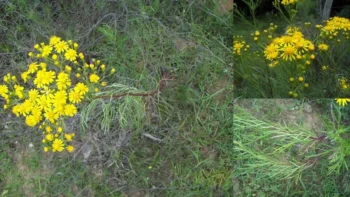
Hempleaf Ragwort: A Lesser-Known Non-Native Wildflower
If you’ve stumbled across the name hempleaf ragwort in your plant research, you’re probably wondering what exactly this mystery plant is all about. Scientifically known as Senecio cannabinifolius, this perennial forb has quietly established itself in parts of the southeastern United States, though it remains relatively obscure in gardening circles.
What Is Hempleaf Ragwort?
Hempleaf ragwort is a non-native perennial that belongs to the large Senecio genus, which includes many daisy-family plants. As a forb, it’s an herbaceous plant without significant woody growth—think of it as falling somewhere between a wildflower and a weed in terms of structure. The hempleaf part of its name likely refers to the shape or appearance of its foliage, though detailed descriptions of its appearance are surprisingly hard to come by.
Where Does It Grow?
This introduced species has made itself at home in Alabama and Florida, where it reproduces on its own without human intervention. It’s one of those plants that quietly naturalizes in the wild, persisting year after year thanks to its perennial nature.
- Species observed
- No observations
Should You Grow Hempleaf Ragwort?
Here’s where things get a bit tricky. While hempleaf ragwort isn’t listed as invasive or noxious, there’s remarkably little information available about its garden potential, growing requirements, or ecological impact. This lack of horticultural documentation makes it difficult to recommend for home gardens.
When a plant flies this far under the radar in gardening literature, it often means:
- It may not have particularly showy flowers or attractive foliage
- Its growing requirements might be very specific or challenging
- It simply hasn’t caught the attention of gardeners and plant breeders
Better Native Alternatives
Since hempleaf ragwort is non-native and lacks well-documented garden value, you might want to consider native alternatives that offer proven benefits to both your garden and local wildlife. For Alabama and Florida gardeners, excellent native Senecio relatives and similar wildflowers include:
- Golden ragwort (Packera aurea) – a spring-blooming native with cheerful yellow flowers
- Small’s ragwort (Packera anonyma) – another native option with attractive foliage
- Various native asters and goldenrods that provide similar wildflower appeal
The Bottom Line
While hempleaf ragwort exists in the wild and doesn’t appear to be actively harmful, its obscurity in gardening circles suggests it’s not the most rewarding choice for your landscape. Native plants with well-documented benefits to pollinators, wildlife, and garden aesthetics are generally safer bets for creating beautiful, ecologically valuable spaces.
If you’re curious about this plant because you’ve spotted it growing wild, consider it an interesting botanical find rather than a must-have for your garden. Your local native plant society or extension office can help you identify native alternatives that will give you more bang for your gardening buck while supporting local ecosystems.