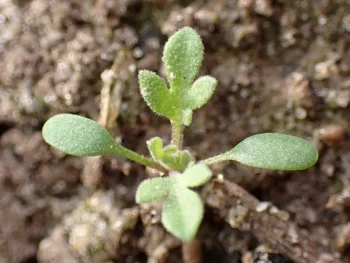
Herb Sophia: A Hardy Pioneer Plant for Challenging Garden Spots
Ever stumbled across a delicate plant with feathery leaves and tiny yellow flowers thriving in the most unlikely places? You might have encountered herb sophia (Descurainia sophia), a resilient little character that’s made itself quite at home across North America. While this isn’t a native plant, it’s certainly an interesting one that deserves a closer look.
What Exactly Is Herb Sophia?
Herb sophia, also known by its botanical name Descurainia sophia, is an annual or biennial forb that belongs to the mustard family. You might also see it listed under older scientific names like Sisymbrium sophia. This unassuming plant has a knack for surviving in places where other plants throw in the towel – think disturbed soils, roadsides, and waste areas.
As a forb, herb sophia lacks woody tissue and keeps its growing points at or below ground level. It’s essentially nature’s version of a tough little survivor that doesn’t ask for much.
Where Does It Grow?
Originally hailing from Europe and Asia, herb sophia has become quite the world traveler. This non-native species has established itself across an impressive range in North America, from Alaska and all Canadian provinces to Hawaii and every state in the lower 48. It reproduces on its own in the wild and has a tendency to stick around once it arrives.
- Species observed
- No observations
What Does Herb Sophia Look Like?
Don’t expect flashy garden drama from this plant – herb sophia is more about subtle charm. It typically grows 1-4 feet tall with finely divided, almost feathery foliage that gives it a delicate appearance. In spring, it produces clusters of small, four-petaled yellow flowers that, while tiny, can be quite numerous.
The overall effect is rather graceful, especially when the plant sways in the breeze. It’s not going to stop traffic, but there’s something appealing about its understated elegance.
Should You Plant Herb Sophia in Your Garden?
Here’s where things get interesting. Herb sophia isn’t native to North America, but it’s not considered invasive either – it’s sort of in the middle ground. Here are some reasons you might (or might not) want to invite it into your garden:
The Case for Growing Herb Sophia
- Tough as nails: This plant thrives in poor, sandy, or disturbed soils where other plants struggle
- Drought tolerant: Once established, it needs very little water
- Pollinator friendly: The small flowers attract flies and small bees
- Pioneer species: Great for getting something growing in challenging spots
- Self-sufficient: Requires minimal care and readily self-seeds
Reasons to Think Twice
- Not native: If you’re committed to native-only gardening, this one’s not for you
- Can self-seed aggressively: Might pop up where you don’t want it
- Short-lived flowers: The blooming period is relatively brief
Native Alternatives to Consider
If you’re leaning toward native plants (and we always encourage that!), consider these alternatives that offer similar benefits:
- Wild mustard species native to your region
- Native wildflowers adapted to disturbed soils
- Regional prairie or meadow plants that attract small pollinators
Growing Herb Sophia Successfully
If you decide herb sophia fits your garden goals, you’ll be pleased to know it’s remarkably easy to grow. This plant thrives in USDA hardiness zones 2-9, making it suitable for most North American climates.
Ideal Growing Conditions
- Sunlight: Full sun is preferred
- Soil: Thrives in poor, sandy, well-drained soils
- Water: Drought tolerant once established; avoid overwatering
- pH: Adaptable to various soil pH levels
Planting and Care Tips
The beauty of herb sophia lies in its simplicity. Here’s how to get started:
- Sowing: Direct seed in fall or early spring
- Spacing: Seeds are tiny, so scatter thinly and thin as needed
- Watering: Water lightly until established, then let nature take over
- Fertilizing: Skip the fertilizer – this plant actually prefers lean conditions
- Maintenance: Minimal care required; remove plants if self-seeding becomes excessive
Role in Garden Design
Herb sophia works best in naturalized gardens, xerophytic landscapes, or areas where you want to establish vegetation on disturbed ground. It’s not typically a formal garden plant, but it can add texture and interest to wild or meadow-style plantings.
Consider using it in:
- Disturbed soil areas that need quick coverage
- Dry, sandy spots where other plants struggle
- Naturalized wildflower meadows
- Low-maintenance landscape areas
The Bottom Line
Herb sophia is one of those plants that’s neither hero nor villain – it’s simply a competent survivor that can serve a purpose in the right garden setting. While we generally lean toward recommending native species, this naturalized plant can be useful for challenging sites where you need something tough and undemanding.
If you’re working with difficult conditions and want something that will establish quickly with minimal fuss, herb sophia might be worth considering. Just keep an eye on its self-seeding tendencies and be prepared to manage it if it gets too enthusiastic about spreading.
Remember, every garden is different, and the best plants for your space are the ones that match your goals, growing conditions, and maintenance preferences. Whether that includes herb sophia is entirely up to you!