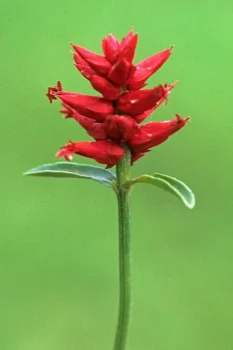
Hermbstaedtia: The Mystery Plant in Your Garden
Have you ever come across a plant name that seems to exist in botanical limbo? Meet Hermbstaedtia, a perennial forb that’s as enigmatic as its name suggests. While this non-native species has made its way to Maryland, it remains one of gardening’s best-kept secrets – perhaps because there’s so little we actually know about it!
What Exactly Is Hermbstaedtia?
Hermbstaedtia is classified as a perennial forb, which simply means it’s a non-woody herbaceous plant that comes back year after year. Think of it as the plant kingdom’s equivalent of that mysterious neighbor who moved in quietly and keeps to themselves. As a forb, it lacks significant woody tissue above ground, with its growing points tucked safely at or below soil level – a smart survival strategy for a perennial.
Where You’ll Find This Elusive Plant
Currently, Hermbstaedtia has been documented in Maryland, where it grows as an introduced species. This non-native plant has managed to establish itself and reproduce without human intervention, suggesting it’s found conditions to its liking in the Old Line State.
- Species observed
- No observations
The Challenge of Growing the Unknown
Here’s where things get interesting (and a bit frustrating): despite being established in the wild, very little is documented about Hermbstaedtia’s specific growing requirements, appearance, or garden behavior. This lack of information presents both a challenge and a potential concern for gardeners.
Without knowing its:
- Preferred growing conditions
- Mature size and spread
- Invasive potential
- Wildlife interactions
- Aesthetic qualities
It’s difficult to recommend this plant with confidence for home gardens.
A Word of Caution
While Hermbstaedtia isn’t currently listed as invasive or noxious, the lack of comprehensive information about its behavior in garden settings should give us pause. When introducing any non-native species to your landscape, especially one with limited documentation, it’s wise to proceed with caution.
Better Alternatives for Maryland Gardeners
Instead of taking a chance on the mysterious Hermbstaedtia, consider these well-documented native Maryland perennial forbs that offer proven benefits:
- Wild Bergamot (Monarda fistulosa) – Attracts bees and butterflies with fragrant lavender flowers
- New England Aster (Symphyotrichum novae-angliae) – Provides late-season color and supports monarch butterflies
- Wild Columbine (Aquilegia canadensis) – Offers delicate spring blooms that hummingbirds adore
- Coral Bells (Heuchera americana) – Native groundcover with attractive foliage and delicate flower spikes
The Bottom Line
While Hermbstaedtia might spark curiosity among plant enthusiasts, the lack of available information makes it a risky choice for most gardeners. Without understanding its growth habits, space requirements, or potential impacts on local ecosystems, you’re essentially conducting an experiment in your backyard.
For a more rewarding and responsible gardening experience, stick with well-documented native plants that support local wildlife and have predictable growth patterns. Your garden – and the local ecosystem – will thank you for choosing plants with known benefits and behaviors over botanical mysteries like Hermbstaedtia.