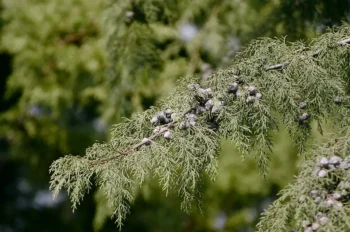
Himalayan Cypress: A Majestic Mountain Giant for Your Landscape
If you’ve ever dreamed of having a truly spectacular tree gracing your property, the Himalayan cypress (Cupressus torulosa) might just be the showstopper you’re looking for. This graceful evergreen giant brings a touch of mountain majesty to any landscape large enough to accommodate its impressive presence.
What Makes the Himalayan Cypress Special?
The Himalayan cypress is a real head-turner with its distinctive weeping habit and elegant form. Picture a tall, stately conifer with gracefully drooping branches that sway gently in the breeze – it’s like having your own personal piece of the Himalayas right in your backyard. The blue-green to dark green foliage creates a beautiful contrast against other plants and provides year-round interest.
Where Does It Come From?
True to its name, this magnificent tree hails from the Himalayan region, including Bhutan, northern India, Nepal, and parts of China and Myanmar. In its native habitat, it thrives in the cool, mountainous climate at elevations that would make most of us reach for an oxygen mask.
Is This Tree Right for Your Garden?
Here’s the thing about Himalayan cypress – it’s not a tree for small spaces or impatient gardeners. This beauty can reach heights of 100-130 feet with a spread of 20-30 feet, so you’ll need plenty of room and a long-term vision. It’s perfect for:
- Large properties and estates
- Parks and public spaces
- Mountain or alpine-style gardens
- Areas where you want a dramatic specimen tree
- Windbreaks for large properties
Growing Conditions and Care
The Himalayan cypress is surprisingly adaptable once you understand its preferences. It thrives in USDA hardiness zones 7-9, making it suitable for many temperate regions. Here’s what it needs to flourish:
- Sunlight: Full sun to partial shade
- Soil: Well-draining soil is essential – it doesn’t like wet feet
- Water: Regular watering when young, becomes more drought-tolerant with age
- Space: Lots of it! Give this tree room to spread its branches
Planting and Care Tips
When planting your Himalayan cypress, think of it as an investment in the future. Choose your location carefully because this tree will be there for generations. Dig a hole twice as wide as the root ball but no deeper, and backfill with native soil. Water regularly during the first few years while the tree establishes itself.
The good news? Once established, Himalayan cypress is relatively low-maintenance. It rarely needs pruning – in fact, it’s best to let it maintain its natural graceful form. Just remove any dead or damaged branches as needed.
Wildlife and Pollinator Benefits
While Himalayan cypress isn’t a pollinator magnet (it’s wind-pollinated like most conifers), it does provide shelter and nesting sites for birds. The dense foliage offers excellent protection, especially during harsh weather.
Things to Consider
Since Himalayan cypress isn’t native to North America, you might want to consider native alternatives that provide similar benefits to local ecosystems. Some great options include:
- Eastern White Pine (Pinus strobus) for eastern regions
- Douglas Fir (Pseudotsuga menziesii) for western areas
- Bald Cypress (Taxodium distichum) for southern climates
The Bottom Line
Himalayan cypress is a stunning tree that can transform a large landscape into something truly spectacular. If you have the space, patience, and live in the right climate zone, it’s a rewarding choice that will create a lasting legacy. Just remember – this is a tree that thinks big, so make sure you do too when planning your planting location!
Whether you choose the exotic beauty of Himalayan cypress or opt for a native alternative, the key is selecting a tree that fits both your landscape and your local ecosystem. Happy planting!