Hippeastrum vittatum: A Stunning South American Bulb for Your Garden
If you’re looking for a show-stopping flower that can turn heads and spark conversations, Hippeastrum vittatum might just be the plant you’ve been searching for. This South American native, also known by its synonym Amaryllis vittatum, brings tropical flair to gardens with its spectacular blooms and distinctive appearance.
What Makes This Plant Special?
Hippeastrum vittatum is a real showoff in the plant world. Picture this: massive trumpet-shaped flowers, often sporting vibrant red petals with striking white stripes or markings, perched atop tall, sturdy stems that can reach impressive heights. These blooms don’t just whisper look at me – they practically shout it from the rooftops!
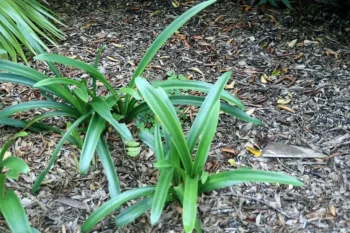
The flowers emerge from bulbs and create quite the spectacle when they burst into bloom, often appearing before or alongside the plant’s strap-like leaves. It’s like nature’s own fireworks display, but one that lasts much longer than the Fourth of July.
Where Does It Come From?
This beauty hails from South America, particularly Peru and surrounding regions, where it grows naturally in mountainous areas. It’s perfectly adapted to those environments, which gives us some great clues about how to keep it happy in our own gardens.
Growing Conditions and Care
Here’s the good news: Hippeastrum vittatum isn’t terribly fussy, but it does have some preferences. Think of it as that friend who’s generally easygoing but has a few specific quirks.
- Light: Bright light to partial shade works best
- Soil: Well-draining soil is absolutely crucial – these bulbs hate wet feet
- Water: Moderate watering during growing season, but allow for dormancy periods
- Climate: Thrives in USDA zones 9-11, but can be grown as containers in cooler areas
Planting Tips for Success
When planting your bulb, remember this golden rule: don’t bury it completely! The neck of the bulb should peek above the soil surface, kind of like a submarine periscope. This helps prevent rot and keeps your bulb healthy and happy.
If you live in cooler climates, don’t despair. Container growing is your friend here. You can enjoy these stunning blooms and then move the containers to protected areas during winter, or treat them as annual displays.
Wildlife and Pollinator Benefits
Those large, colorful flowers aren’t just pretty to look at – they’re also magnets for hummingbirds and some butterfly species. The nectar-rich blooms provide valuable food sources for these pollinators, making your garden a more vibrant ecosystem.
Garden Design Ideas
Hippeastrum vittatum works wonderfully as a specimen plant, where it can truly shine as the star of the show. It’s perfect for:
- Tropical and subtropical garden themes
- Mediterranean-style landscapes
- Container gardens and patio displays
- Greenhouse collections
- Cut flower gardens
A Word About Native Alternatives
While Hippeastrum vittatum is a gorgeous addition to many gardens, it’s worth considering native alternatives that might provide similar aesthetic appeal while supporting local ecosystems. Depending on your region, native lilies, iris species, or other bulbous plants might offer comparable beauty with additional ecological benefits.
Some regions have native Amaryllidaceae family members or other bulbous plants that could provide similar dramatic blooms while supporting local wildlife more effectively.
The Bottom Line
Hippeastrum vittatum is a relatively low-maintenance way to add serious wow factor to your garden. While it may not be native to North American gardens, it’s not invasive either, making it a reasonable choice for gardeners who want something truly special. Just remember to provide good drainage, don’t overwater, and enjoy the spectacular show when those magnificent blooms appear!
Whether you’re a seasoned gardener looking for something new or a beginner who wants to start with something impressive, this South American beauty might just be the perfect addition to your plant family.