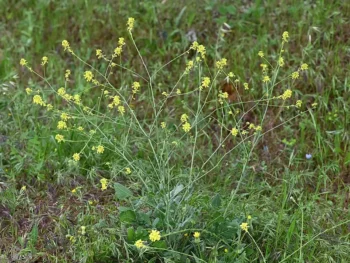
Hirschfeldia: What You Need to Know About This Non-Native Plant
If you’ve stumbled across the name hirschfeldia in your gardening research, you might be wondering what exactly this plant is and whether it belongs in your garden. Let’s dive into what we know about this somewhat mysterious member of the plant kingdom.
What Is Hirschfeldia?
Hirschfeldia is a genus of herbaceous plants that falls into the category of forbs – essentially, these are vascular plants without significant woody tissue above ground. Think of them as the non-woody cousins of shrubs and trees. These plants can live as annuals (one year), biennials (two years), or perennials (multiple years), giving them quite a bit of flexibility in their life cycle approach.
Where You’ll Find Hirschfeldia
Here’s where things get interesting: Hirschfeldia isn’t actually native to North America. This plant is a non-native species that has been introduced and now reproduces on its own in the wild across several western states and Hawaii. You can currently find established populations in California, Hawaii, Nevada, and Oregon.
- Species observed
- No observations
Should You Plant Hirschfeldia?
This is where we need to have an honest conversation. While Hirschfeldia isn’t currently flagged as invasive or noxious in most areas, its non-native status means it’s not providing the same ecological benefits that native plants offer to local wildlife and ecosystems.
Here are some considerations:
- Non-native plants often don’t support local pollinators and wildlife as effectively as native species
- They may compete with native plants for resources
- Their long-term ecological impact may not be fully understood
Better Native Alternatives
Instead of planting Hirschfeldia, consider these native options that will better support your local ecosystem:
- Native wildflowers and forbs specific to your region
- Indigenous plants that provide food and habitat for local wildlife
- Species that are naturally adapted to your local climate and soil conditions
Check with your local native plant society or extension office for specific recommendations based on your exact location and garden conditions.
The Bottom Line
While Hirschfeldia might seem like an interesting addition to your garden, there are likely better native alternatives that will provide more benefits to your local ecosystem. When in doubt, choose native – your local birds, bees, and butterflies will thank you for it!
Remember, every garden is an opportunity to support biodiversity and create habitat. By choosing plants that evolved alongside local wildlife, you’re contributing to a healthier, more resilient ecosystem right in your own backyard.