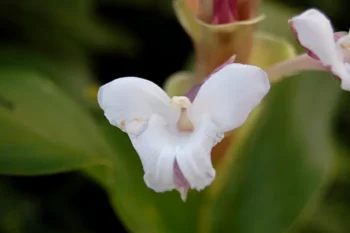
Hitchenia: A Mysterious Plant Worth Reconsidering
If you’ve stumbled across the name hitchenia in your plant research, you’re not alone in scratching your head. This enigmatic genus, scientifically known as Hitchenia, represents one of those botanical mysteries that occasionally pop up in gardening circles—but perhaps not for the reasons you’d hope.
What We Know (And Don’t Know) About Hitchenia
Here’s where things get interesting: reliable information about Hitchenia is surprisingly scarce. While it’s classified as a monocot (plants with single seed leaves, like grasses and lilies), concrete details about its appearance, native range, and growing requirements are virtually nonexistent in mainstream horticultural resources.
The geographical distribution of this plant remains unknown, making it impossible to determine where it naturally occurs or whether it would be appropriate for your local ecosystem.
Why This Matters for Your Garden
When a plant lacks readily available information about its:
- Growth habits and mature size
- Preferred growing conditions
- USDA hardiness zones
- Wildlife and pollinator benefits
- Potential invasiveness
- Propagation methods
It becomes nearly impossible to grow successfully or responsibly. Without knowing these basics, you’re essentially gardening blind.
A Better Path Forward
Rather than wrestling with the uncertainties surrounding Hitchenia, consider exploring well-documented native plants in your area. Native plants offer several advantages:
- Extensive growing information and care guides
- Proven benefits for local wildlife and pollinators
- Adaptation to your local climate and soil conditions
- Support for regional ecosystems
Your local native plant society or cooperative extension office can provide excellent recommendations for plants that will thrive in your specific location and provide the ecological benefits you’re seeking.
The Takeaway
While the mystery of Hitchenia might be intriguing from a botanical perspective, it’s not practical for home gardeners. When plant information is this sparse, it’s usually a sign to look elsewhere. Focus your gardening energy on plants with proven track records—your garden (and local wildlife) will thank you for it.
Sometimes the most gardening-savvy choice is knowing when to pass on a plant, no matter how exotic or interesting it might sound. In the case of Hitchenia, that time is now.