Hoary Plantain: The Fuzzy Lawn Visitor You Probably Already Know
If you’ve ever noticed a low-growing plant with distinctively hairy, oval leaves forming neat rosettes in your lawn or along walkways, chances are you’ve met hoary plantain (Plantago media). This unassuming perennial forb has quietly made itself at home across much of North America, though it originally hails from Europe and western Asia.
What Makes Hoary Plantain Stand Out
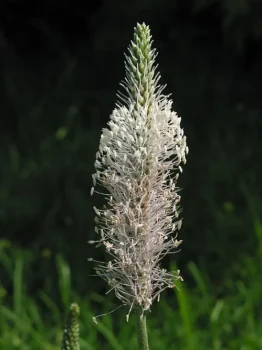
Hoary plantain gets its common name from the dense, silvery hairs that cover its leaves, giving them a somewhat fuzzy, grayish appearance. The plant forms attractive ground-hugging rosettes of broad, oval leaves that can reach 4-6 inches long. During summer months, it sends up tall, slender flower spikes topped with small, whitish blooms that may not win any beauty contests but certainly have their own understated charm.
Where You’ll Find It
This hardy perennial has established itself across a wide range of North American locations, including British Columbia, Manitoba, New Brunswick, Ontario, Quebec, Connecticut, Illinois, Maine, Massachusetts, Michigan, New Hampshire, New Jersey, New York, Pennsylvania, Rhode Island, and Wisconsin. It’s particularly fond of disturbed soils, lawn edges, roadsides, and areas with foot traffic.
- Species observed
- No observations
The Non-Native Reality
While hoary plantain has become a familiar sight in many landscapes, it’s important to know that this species is not native to North America. It’s what botanists call an introduced species that has naturalized—meaning it arrived from elsewhere but now reproduces and persists on its own in the wild. However, it’s not currently classified as invasive or noxious, so you don’t need to panic if you spot it in your yard.
Garden Role and Growing Conditions
Hoary plantain is incredibly adaptable and thrives in USDA hardiness zones 3-9. It’s remarkably tolerant of:
- Poor, compacted soils
- Full sun to partial shade
- Various moisture levels
- Foot traffic and disturbance
This tough little plant essentially grows itself—you’re more likely to find it appearing uninvited than needing to plant it intentionally. It readily self-seeds and can establish in the most challenging conditions where other plants struggle.
Wildlife and Pollinator Benefits
While not showy, hoary plantain’s small flowers do provide nectar for various small pollinators, including bees and flies. The seeds can also provide food for certain bird species, though it’s not considered a major wildlife plant.
Should You Grow It?
Here’s the thing about hoary plantain—you probably don’t need to actively plant it. If your area already supports this species, it will likely find you rather than the other way around. While it’s not harmful to have around, gardeners interested in supporting local ecosystems might consider native alternatives that provide similar low-maintenance ground cover but offer greater benefits to local wildlife.
Some native plantain alternatives to consider include:
- Broadleaf plantain (Plantago major) – though this is also often non-native in many regions
- Native sedges for similar low-growing texture
- Regional native groundcovers suited to your specific area
Living with Hoary Plantain
If hoary plantain has already made itself comfortable in your landscape, there’s no urgent need to remove it unless you’re working toward a purely native garden. It’s relatively well-behaved, doesn’t spread aggressively, and can actually help stabilize soil in disturbed areas. Some gardeners even appreciate its ability to fill in tough spots where other plants won’t grow.
The key is being intentional about your plant choices and understanding what you’re working with. Hoary plantain may not be native, but it’s become part of the North American landscape story—just one that started elsewhere and found a new home.