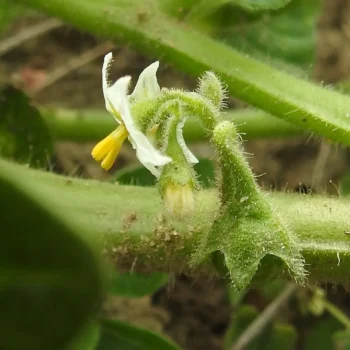
Hoe Nightshade: Understanding This Widespread Annual Wildflower
If you’ve ever wondered about those small, unassuming plants with tiny white flowers and papery-husked berries popping up in gardens across North America, you might be looking at hoe nightshade (Solanum physalifolium). This hardy annual has quietly made itself at home from coast to coast, and while it’s not native to our continent, it’s become a familiar sight in many landscapes.
What Is Hoe Nightshade?
Hoe nightshade is an annual forb—essentially a non-woody herbaceous plant that completes its life cycle in one growing season. Originally from South America (specifically Argentina, Chile, and Uruguay), this member of the nightshade family has established itself across an impressive range of North American territories and states.
Don’t let the name intimidate you. While it’s called a nightshade, hoe nightshade is quite different from its more famous (and problematic) relatives. It’s a relatively small, inconspicuous plant that typically goes unnoticed until you start paying attention to the details of your garden ecosystem.
Where You’ll Find It
Hoe nightshade has one of the most extensive distributions of any introduced plant species in North America. You can find it thriving from Alaska down to Arizona, and from British Columbia to New Brunswick. It grows in virtually every U.S. state and Canadian province, making it one of our continent’s most widespread non-native plants.
- Species observed
- No observations
Identifying Hoe Nightshade
Recognizing hoe nightshade is fairly straightforward once you know what to look for:
- Small, white flowers that appear in clusters
- Berries enclosed in distinctive papery husks (similar to ground cherries)
- Soft, somewhat hairy leaves
- Low-growing, branching habit
- Typically reaches 1-3 feet in height
The papery husks around the berries are perhaps the most distinctive feature—they look like tiny Japanese lanterns and often persist long after the plant has finished its growing season.
Growing Conditions and Habitat
One reason hoe nightshade has spread so successfully is its adaptability. This plant thrives in:
- Disturbed soils and waste areas
- Agricultural fields and garden edges
- Full sun to partial shade conditions
- Various soil types, though it prefers well-drained ground
- USDA hardiness zones 3-10 (thanks to its annual nature)
As an annual, hoe nightshade readily self-seeds and can appear seemingly overnight in new locations. It’s particularly fond of areas where the soil has been recently disturbed—hence its common appearance along roadsides, in construction areas, and at the edges of cultivated spaces.
Should You Grow Hoe Nightshade?
Here’s where things get interesting. Hoe nightshade isn’t typically something gardeners plant intentionally—it usually just shows up on its own. While it’s not considered invasive in most areas, it’s also not particularly ornamental or beneficial compared to native alternatives.
If you find hoe nightshade growing in your garden, you don’t need to panic. It’s generally harmless and may even provide some small benefits to local ecosystems, such as:
- Food for small birds that eat the berries
- Nectar for tiny pollinators attracted to its modest flowers
- Ground cover in disturbed areas
However, if you’re looking to create habitat and support local wildlife, native plants will always be the better choice.
Native Alternatives to Consider
Instead of encouraging hoe nightshade, consider these native alternatives that offer similar benefits but support local ecosystems more effectively:
- Ground cherry species native to your region
- Native asters for late-season flowers
- Regional wildflower mixes for naturalized areas
- Native berry-producing shrubs for wildlife food
Managing Hoe Nightshade in Your Garden
If you’d prefer not to have hoe nightshade in your garden, management is relatively straightforward:
- Hand-pull plants before they set seed
- Maintain healthy, dense plantings of desired species to reduce open space
- Regular cultivation will disrupt its life cycle
- Mulching can help suppress seedlings
Remember, as an annual, hoe nightshade depends entirely on seed production to persist, so preventing it from completing its reproductive cycle is key to long-term management.
The Bottom Line
Hoe nightshade represents an interesting case study in plant adaptation and distribution. While it’s not native to North America, it has found its niche without becoming aggressively invasive in most areas. Whether you choose to tolerate it, encourage it, or remove it from your garden is largely a matter of personal preference and your specific landscaping goals.
If you’re focused on supporting native wildlife and creating authentic regional habitat, native plants will always be the superior choice. But if you’re simply curious about the plants that have naturalized in your area, hoe nightshade offers a fascinating example of how species can successfully adapt to new environments across vast geographic ranges.