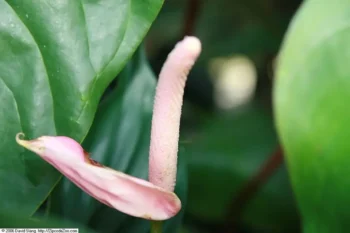
Homalomena rubescens: A Mysterious Tropical Plant Worth Learning About
If you’ve stumbled across the name Homalomena rubescens while researching tropical plants for your garden, you’re not alone in wondering what exactly this plant is all about. This member of the aroid family (think peace lilies and philodendrons) remains somewhat of a botanical mystery, with limited information available about its specific characteristics and growing requirements.
What We Know About Homalomena rubescens
Homalomena rubescens belongs to a fascinating genus of tropical plants known for their attractive foliage and tolerance of various growing conditions. As a monocot, this plant shares characteristics with other popular houseplants and tropical garden specimens, though specific details about this particular species are surprisingly scarce in readily available horticultural literature.
One thing we do know is that in Hawaii, this plant has a facultative wetland status, meaning it’s equally comfortable growing in wet or dry conditions. This adaptability suggests it could be a versatile addition to tropical and subtropical gardens.
The Challenge of Growing an Uncommon Species
Here’s where things get interesting (and a bit frustrating for plant enthusiasts): finding reliable, specific information about Homalomena rubescens proves quite difficult. This could mean several things:
- It’s an extremely rare species with limited cultivation
- It may be known by other names in the horticultural trade
- It could be a regional variant that’s not widely studied or grown
What This Means for Your Garden
If you’re considering adding Homalomena rubescens to your plant collection, proceed with caution and curiosity. The lack of readily available growing information means you’d essentially be gardening by experimentation. While this can be exciting for experienced plant lovers who enjoy a challenge, it might not be the best choice for beginners.
Given its facultative wetland status in Hawaii, you might try treating it similarly to other tropical aroids that appreciate consistent moisture but not waterlogged conditions.
Consider These Alternatives
If you’re drawn to the Homalomena genus but want something with more reliable growing information, consider these better-documented relatives:
- Homalomena wallisii (known for heart-shaped leaves)
- Homalomena humilis (compact growth habit)
- Other tropical aroids like Alocasia or Colocasia species
The Bottom Line
Homalomena rubescens remains an intriguing but poorly documented plant species. Unless you’re an experienced tropical plant grower who enjoys the challenge of working with uncommon species, you might want to stick with better-known plants that have established care requirements. However, if you do encounter this plant and decide to grow it, you’ll be contributing to our understanding of this mysterious species – and that’s pretty exciting from a botanical perspective!
Always ensure any plants you acquire are from reputable, legal sources, especially when dealing with uncommon species that might have conservation concerns.