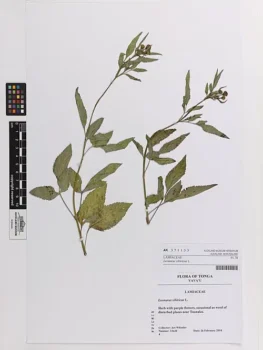
Honeyweed: The Uninvited Garden Guest You Should Know About
Ever spotted a weedy-looking plant with deeply lobed leaves and tiny whitish flowers clustered around its stems? You might have encountered honeyweed (Leonurus sibiricus), a plant that tends to show up uninvited in gardens across much of North America. While it’s not exactly the showstopper you’d choose for your prize flower bed, understanding this common visitor can help you make informed decisions about your garden space.
What Exactly Is Honeyweed?
Honeyweed is an herbaceous plant that belongs to the mint family, though it’s far less aromatic than its famous cousins. This forb (that’s garden-speak for a non-woody flowering plant) can be annual, biennial, or perennial depending on growing conditions. Its deeply divided, palmate leaves give it a somewhat lacey appearance, while small white to pale pink flowers appear in distinctive whorls around the square stems—a telltale sign of its mint family heritage.
Where You’ll Find It
Originally hailing from Asia, particularly Siberia and China, honeyweed has made itself at home across a surprising number of locations in North America. You’ll find it established in states from Manitoba down to Florida, and from Arkansas to Pennsylvania. It’s also taken up residence in Hawaii, Puerto Rico, the Virgin Islands, and various Pacific territories.
- Species observed
- No observations
The Real Talk: Should You Plant Honeyweed?
Here’s where we need to have an honest conversation. While honeyweed isn’t typically classified as aggressively invasive, it’s definitely not native to North America. It tends to pop up in disturbed soils and can self-seed readily, which means it might stick around longer than you planned. Most gardeners don’t intentionally plant honeyweed—it just shows up on its own.
If you’re looking for plants that provide similar texture or fill similar ecological niches, consider these native alternatives instead:
- Wild bergamot (Monarda fistulosa) for minty-family appeal
- Purple prairie clover (Dalea purpurea) for interesting flower clusters
- Wild columbine (Aquilegia canadensis) for delicate, divided foliage
Growing Conditions and Care
If honeyweed has already established itself in your garden, or if you’re curious about its growing habits, here’s what you should know. This adaptable plant isn’t particularly picky about conditions. It thrives in USDA hardiness zones 4-9 and seems to prefer disturbed or poor soils—the kind of spots where more desirable plants might struggle.
Honeyweed typically handles various soil types and doesn’t require much in the way of supplemental water once established. It’s the kind of plant that gardeners often notice has been growing happily in a neglected corner for who knows how long.
Wildlife and Pollinator Considerations
The small flowers of honeyweed may attract some pollinators, particularly smaller bees and beneficial insects, but it’s not considered a significant pollinator plant. Native alternatives will typically provide much better wildlife value and support local ecosystems more effectively.
The Bottom Line
Honeyweed is one of those plants that falls into the garden neutral category—not necessarily harmful, but not particularly beneficial either. If it’s already growing in your space and you don’t mind its somewhat weedy appearance, it won’t cause major problems. However, if you’re planning new plantings, your garden and local wildlife will benefit much more from native plant choices that provide better ecological value and often more attractive displays.
Remember, every plant choice is an opportunity to support native ecosystems and create beautiful, functional garden spaces. While honeyweed might be harmless enough, there are so many wonderful native alternatives that can fill similar roles while providing greater benefits to your local environment.