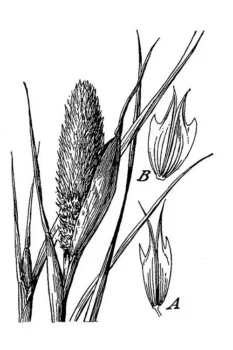
Hood Canarygrass: What You Need to Know About This Non-Native Annual Grass
If you’ve ever wandered through disturbed areas, roadsides, or weedy fields and noticed a slender grass with distinctive hooded seed heads, you’ve likely encountered hood canarygrass (Phalaris paradoxa). This annual grass might not be on your typical must-have plant list, but understanding what it is and where it belongs can help you make informed decisions about your garden and landscape.
Meet Hood Canarygrass
Hood canarygrass is a non-native annual grass that has made itself at home across several U.S. states. Originally from the Mediterranean region of Europe, North Africa, and western Asia, this graminoid (grass-like plant) has established populations that reproduce and persist without human intervention in many areas.
The plant gets its common name from its characteristic hooded seed heads, which form compact, somewhat ornamental inflorescences atop slender stems. As an annual, it completes its entire life cycle within one growing season.
Where You’ll Find It
Hood canarygrass has established populations across a diverse range of states, including Arizona, California, Hawaii, Louisiana, Maryland, New Jersey, Oregon, Pennsylvania, and Washington. This wide distribution speaks to its adaptability to various climates and growing conditions.
- Species observed
- No observations
The plant thrives in USDA hardiness zones 7-10, where conditions allow it to complete its annual life cycle successfully.
Growing Habits and Habitat Preferences
This adaptable grass shows up in disturbed soils, along roadsides, in fields, and waste areas. Its wetland status varies by region – it’s classified as Facultative in most areas (meaning it can grow in both wetlands and non-wetlands) and Facultative Upland in Hawaii (usually preferring drier sites but sometimes appearing in wetlands).
Hood canarygrass isn’t particularly picky about growing conditions, which explains its success in establishing in various environments. It tolerates different soil types and moisture levels, making it a hardy colonizer of disturbed areas.
Garden and Landscape Considerations
Here’s where things get interesting for gardeners: hood canarygrass isn’t typically cultivated intentionally. It’s more of a volunteer that shows up on its own, particularly in areas that have been disturbed or are less intensively managed.
While the hooded seed heads have a certain understated charm, this grass is generally considered weedy rather than ornamental. It doesn’t offer significant benefits to pollinators since, like most grasses, it’s wind-pollinated rather than insect-pollinated.
Should You Plant It?
Given its non-native status and weedy tendencies, hood canarygrass isn’t something most gardeners would want to introduce intentionally. While it’s not currently listed with a known invasive status, its ability to establish and persist in various environments suggests it’s quite successful at spreading on its own.
Better Native Alternatives
If you’re looking for native grasses to add to your landscape, consider these alternatives that will better support local ecosystems:
- Native bunch grasses specific to your region
- Local sedges (Carex species)
- Regional native meadow grasses
- Indigenous prairie grasses if you’re in prairie regions
These native options will provide better habitat for local wildlife, support native pollinators through their associated plant communities, and contribute to the ecological integrity of your landscape.
The Bottom Line
Hood canarygrass is one of those plants that’s more likely to find you than you are to seek it out. While it’s not necessarily harmful, it’s not adding much value to intentionally designed landscapes either. If it shows up in your garden, you can simply remove it during regular weeding, and focus your planting efforts on native species that will provide greater benefits to your local ecosystem.
Understanding plants like hood canarygrass helps us make better choices about what we cultivate and what we leave to nature – or in this case, what we might gently redirect back to the wild areas where it seems quite content to thrive.