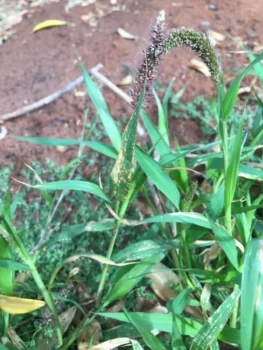
Hooked Bristlegrass: The Uninvited Garden Guest You Should Know About
If you’ve ever found a weedy-looking grass with distinctive bristly seed heads popping up in your garden beds or lawn edges, you’ve likely encountered hooked bristlegrass (Setaria verticillata). This annual grass has quite the collection of common names—you might also hear it called bristlegrass, bristly foxtail, or in Hawaii, mau’u pilipili. While it’s not exactly the kind of plant most gardeners are eager to welcome, understanding this widespread species can help you make informed decisions about your landscape.
What Is Hooked Bristlegrass?
Hooked bristlegrass is a non-native annual grass that originally hails from Europe, Asia, and North Africa. Despite its foreign origins, this adaptable plant has made itself quite at home across North America, establishing populations from British Columbia to Hawaii and from coast to coast in the lower 48 states. It’s also found its way into various Canadian provinces and U.S. territories.
The plant gets its hooked common name from the tiny backward-pointing barbs on its bristles, which help the seeds cling to clothing, fur, and anything else that brushes against them—nature’s own velcro system for seed dispersal.
- Species observed
- No observations
Should You Plant Hooked Bristlegrass?
Here’s the short answer: probably not. While hooked bristlegrass isn’t officially classified as invasive or noxious in most areas, it’s definitely not winning any beauty contests in the garden world. This grass tends to show up uninvited in disturbed soils, garden edges, and areas where more desirable plants are struggling.
The plant offers minimal ornamental value and can become weedy if left unchecked. Its rough, bristly seed heads aren’t particularly attractive, and those hooked bristles can be annoying when they stick to clothing or pet fur during garden walks.
Growing Conditions and Characteristics
If hooked bristlegrass does appear in your garden (and it might, whether you invite it or not), here’s what you can expect:
- Adaptability: This grass is remarkably flexible about growing conditions, tolerating various soil types and moisture levels
- Sun requirements: Thrives in full sun but can handle partial shade
- Drought tolerance: Once established, it can withstand dry conditions fairly well
- Wetland status: Varies by region—it can grow in both wetland and upland areas depending on local conditions
- Hardiness: As an annual, it completes its life cycle in one growing season across temperate zones
Wildlife and Pollinator Value
Like most grasses, hooked bristlegrass is wind-pollinated, so it doesn’t offer much in terms of nectar or pollen for beneficial insects. While some birds might occasionally snack on the seeds, it’s not considered a significant wildlife food source compared to native grass alternatives.
Better Native Alternatives
If you’re looking to add grasses to your landscape, consider these native options instead:
- Little bluestem (Schizachyrium scoparium) for ornamental value
- Buffalo grass (Poaceae species native to your region) for groundcover
- Native sedges (Carex species) for wet areas
- Regional native bunch grasses that provide better wildlife habitat
Managing Hooked Bristlegrass
If you find hooked bristlegrass growing where you don’t want it, the best approach is prevention and early intervention:
- Maintain healthy, dense plantings of desired species to reduce open soil where it can establish
- Remove plants before they set seed to prevent future generations
- Hand-pull small populations when soil is moist
- Improve soil conditions and plant competition to naturally crowd it out
The Bottom Line
While hooked bristlegrass isn’t necessarily harmful to your garden ecosystem, it’s not adding much value either. Think of it as nature’s way of filling empty spaces—useful in its own way, but not particularly exciting from a gardening perspective. If you’re designing a native garden or looking to support local wildlife, you’ll get much better results from intentionally chosen native grasses that are adapted to your specific region and provide genuine ecological benefits.
Sometimes the best garden management strategy is simply knowing what’s growing in your space and making conscious choices about what deserves your time, energy, and garden real estate.