Horsefly’s Eye: A Small Wetland Plant You Probably Don’t Want in Your Garden
If you’ve stumbled across the name horsefly’s eye while researching plants for your garden, you might be wondering what this oddly-named species is all about. Dopatrium junceum, commonly known as horsefly’s eye, is one of those plants that’s more likely to show up uninvited than to be deliberately planted. Let’s dive into what makes this little wetland dweller tick and why you might want to consider other options for your landscape.
What Exactly Is Horsefly’s Eye?
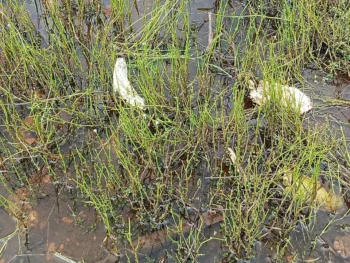
Horsefly’s eye is an annual forb—basically a soft-stemmed herbaceous plant that completes its entire life cycle in one growing season. As a forb, it lacks the woody tissue that trees and shrubs possess, instead producing tender green growth that dies back each year. This low-growing plant forms spreading mats and produces tiny, inconspicuous flowers that barely catch the eye, despite its dramatic common name.
Where You’ll Find It Growing
This isn’t a native North American plant—horsefly’s eye originally hails from tropical regions of Asia and Africa. However, it has established itself as a non-native resident in several U.S. states, including California, Hawaii, and Louisiana. The plant has managed to reproduce and persist in these areas without human assistance, making it what botanists call a naturalized species.
- Species observed
- No observations
A Plant That Loves Its Water
Here’s where things get interesting: horsefly’s eye is what we call an obligate wetland species. This means it almost always grows in wetlands and requires consistently moist to saturated soils to thrive. You’ll typically find it in:
- Marshy areas and swamps
- Pond edges and stream banks
- Wet ditches and low-lying areas
- Rice fields and other agricultural wetlands
The plant grows best in USDA hardiness zones 8-11, where warm temperatures and adequate moisture support its tropical origins.
Should You Plant Horsefly’s Eye?
Here’s the short answer: probably not. While horsefly’s eye isn’t typically considered a major invasive threat, it’s also not particularly useful or attractive as a garden plant. Its flowers are tiny and unremarkable, and its growth habit is more weedy sprawl than intentional groundcover. Plus, since it’s an annual, you’d need to replant it every year—assuming you could even find seeds or plants for sale, which is unlikely.
The plant offers minimal benefits to pollinators due to its small, inconspicuous flowers, and its wildlife value is largely unknown. It’s essentially a plant that fills a niche in disturbed wetland areas rather than enhancing garden beauty or supporting local ecosystems.
Better Native Alternatives
If you’re looking for plants to fill wet areas in your landscape, consider these native alternatives instead:
- Blue flag iris (Iris versicolor) – Beautiful purple-blue flowers and excellent for wet soils
- Cardinal flower (Lobelia cardinalis) – Stunning red blooms that hummingbirds adore
- Swamp milkweed (Asclepias incarnata) – Pink flowers that support monarch butterflies
- Monkey flower (Mimulus species) – Cheerful yellow or red blooms perfect for stream edges
These native options will provide much more visual appeal, support local wildlife, and won’t raise concerns about potentially spreading beyond your intended planting area.
The Bottom Line
Horsefly’s eye is one of those plants that’s more interesting from a botanical perspective than a gardening one. While it’s not necessarily harmful, it doesn’t offer enough benefits to warrant intentional cultivation. If you encounter it growing wild in wetland areas, you can appreciate it as part of the naturalized flora, but for your garden projects, you’ll be much happier with native wetland plants that offer beauty, wildlife value, and peace of mind.
Remember, successful gardening is about choosing plants that thrive in your conditions while supporting the local ecosystem. When it comes to wetland gardening, native species are almost always your best bet for creating a landscape that’s both beautiful and beneficial.