Horseradish: The Fiery Root That’s More Than Just a Condiment
If you’ve ever experienced the sinus-clearing burn of fresh horseradish sauce, you know this plant doesn’t mess around. Armoracia rusticana, commonly known as horseradish, is a hardy perennial that’s been spicing up gardens and dinner tables for centuries. While it may not win any beauty contests, this robust plant has earned its place in herb gardens across North America through sheer culinary prowess.
What Exactly Is Horseradish?
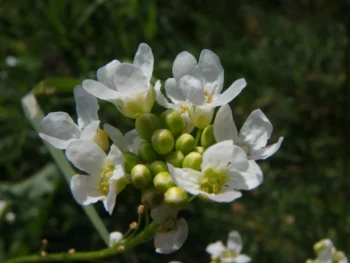
Horseradish is a perennial plant in the mustard family, known for its thick, white taproot that packs a powerful punch. The plant produces large, coarse green leaves and can reach heights of 2-3 feet when in full growth. During summer, it sends up tall spikes of small white flowers that, while not particularly showy, do attract pollinators like bees to your garden.
A Traveler from Afar
Here’s something important to know: horseradish isn’t actually native to North America. This robust plant originally hails from southeastern Europe and western Asia but has made itself quite at home across the continent. It now grows in most U.S. states and Canadian provinces, from Alberta to Florida, reproducing spontaneously and persisting without human help.
- Species observed
- No observations
While horseradish has naturalized widely, it’s not considered invasive or particularly problematic. However, if you’re passionate about supporting native ecosystems, you might consider native alternatives like wild ginger (Asarum canadense) for groundcover or native mustards for your herb garden.
Why Grow Horseradish?
Let’s be honest – you’re probably not growing horseradish for its looks. This plant is all about function over form. Here’s why gardeners choose to cultivate it:
- Fresh horseradish root is infinitely more flavorful than store-bought versions
- The plant is incredibly low-maintenance once established
- It’s virtually pest-free (what bug wants to tangle with that heat?)
- The flowers provide nectar for pollinators
- Young leaves can be used in salads for a peppery kick
- It’s hardy in USDA zones 3-9, surviving even harsh winters
Growing Horseradish Successfully
The good news about horseradish is that it’s almost foolproof to grow. In fact, your bigger challenge might be keeping it contained rather than getting it to thrive.
Ideal Growing Conditions
- Sunlight: Full sun to partial shade (though full sun produces the best roots)
- Soil: Deep, fertile, well-draining soil with plenty of organic matter
- Moisture: Consistent moisture, but not waterlogged conditions
- pH: Slightly acidic to neutral soil (6.0-7.0)
Planting and Care Tips
Start with root cuttings (called sets) planted in early spring. Plant them at a 45-degree angle with the top of the root about 2 inches below soil surface. Space plants about 18-24 inches apart – trust us, they’ll need the room.
Once established, horseradish requires minimal care. Keep the soil consistently moist, especially during dry spells, and side-dress with compost in spring. Remove flower stalks if you want to encourage root development, though leaving some flowers helps local pollinators.
A Word of Caution: The Aggressive Spreader
Here’s where horseradish gets interesting (and potentially problematic). This plant spreads aggressively through its root system. Even tiny root fragments left in the soil can sprout new plants. Many gardeners plant it in buried containers or dedicated areas where its spreading nature won’t cause issues.
Harvest Time
The best time to harvest horseradish roots is in late fall after the first hard frost, when the plant’s energy has moved back into the roots. Dig carefully – you’ll want to get as much of that valuable root as possible while removing smaller root pieces that could become next year’s volunteer plants.
The Bottom Line
Horseradish isn’t going to win any awards for garden beauty, but if you love cooking with fresh, fiery flavors, it might just earn a spot in your herb garden. Just remember that you’re inviting a rather enthusiastic guest to the party – one that might decide to spread beyond its original invitation. Plan accordingly, and you’ll have a lifetime supply of sinus-clearing goodness right outside your kitchen door.
For gardeners focused on native plant gardening, consider exploring native alternatives that can provide similar garden functions while supporting local ecosystems. But if that fresh horseradish calls to your culinary soul, go ahead and give this hardy immigrant a try – just keep it contained!