Horseradish Tree: The Fast-Growing Wonder That’s Taking Gardens by Storm
Meet the horseradish tree (Moringa oleifera), a remarkable plant that’s been quietly making waves in gardens across warmer regions of the United States. This fast-growing tree might not be a native species, but it’s certainly caught the attention of gardeners looking for something both beautiful and useful.
What Makes the Horseradish Tree Special?
The horseradish tree is a perennial shrub that typically grows as a multi-stemmed woody plant, usually reaching 13 to 16 feet in height under normal conditions. Don’t let the shrub classification fool you though – this plant can grow surprisingly tall and tree-like in the right conditions!
Originally from the foothills of the Himalayas in northwestern India, this non-native species has found a home in several U.S. locations including Florida, Guam, Palau, Puerto Rico, and the Virgin Islands. It reproduces spontaneously in these areas and has established itself as a persistent part of the local flora.
- Species observed
- No observations
Garden Appeal and Landscape Role
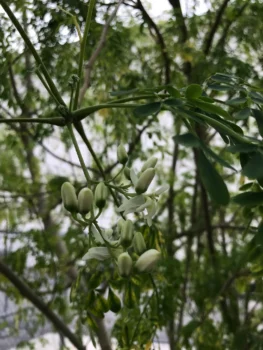
What draws gardeners to the horseradish tree? For starters, it’s incredibly fast-growing, which means you won’t be waiting years to see results. The tree features delicate, compound leaves that create a lovely, feathery texture in the landscape. Small clusters of white flowers appear throughout the growing season, followed by interesting long seed pods that dangle from the branches like green beans.
In garden design, the horseradish tree works wonderfully as:
- A fast-growing shade tree for new landscapes
- An ornamental specimen with unique foliage texture
- Part of an edible landscape (the leaves, flowers, and pods are all edible)
- A conversation starter in permaculture or tropical-themed gardens
Growing Conditions and Care
The horseradish tree thrives in USDA hardiness zones 9-11, making it suitable only for the warmest parts of the country. It’s quite frost-sensitive, so gardeners in cooler areas will need to grow it as a container plant and bring it indoors during winter.
Here’s what this tree loves:
- Full sun exposure
- Well-draining soil (it’s quite adaptable to different soil types)
- Warm temperatures year-round
- Regular watering during establishment, then drought-tolerant once mature
According to wetland classifications, this tree prefers upland conditions – it usually occurs in non-wetlands in the Atlantic and Gulf Coastal Plain region, and almost never in wetlands in the Caribbean region.
Planting and Care Tips
Getting started with a horseradish tree is refreshingly simple. The plant propagates easily from both seeds and cuttings, making it beginner-friendly. Once established, it requires minimal care – just occasional pruning to maintain its shape and size.
The small white flowers do attract bees and other pollinators, adding ecological value to your garden. While specific wildlife benefits aren’t well-documented for this species, any flowering tree generally contributes to the local ecosystem.
Should You Plant It?
The horseradish tree presents an interesting case for gardeners. While it’s not native to the United States, it’s also not currently listed as invasive or noxious in the areas where it grows. This puts it in a neutral category – it’s not necessarily harmful, but it’s not providing the specialized benefits that native plants offer to local wildlife.
If you’re drawn to the horseradish tree’s fast growth and unique appearance, it can certainly have a place in your garden, especially in tropical or subtropical landscapes. However, consider also incorporating native alternatives that provide similar benefits while supporting local ecosystems.
For those in suitable climates who decide to grow it, you’ll find the horseradish tree to be a low-maintenance, fast-growing addition that brings both ornamental value and the novelty of an edible landscape plant to your outdoor space.