Humboldt’s Willow: A Graceful Non-Native Addition to Warm Climate Gardens
If you’re looking for a fast-growing tree with elegant, drooping branches that can handle wet conditions, Humboldt’s willow (Salix humboldtiana) might catch your eye. This South American native has found its way into gardens in Puerto Rico and the U.S. Virgin Islands, where it’s established itself as a naturalized resident.
Getting to Know Humboldt’s Willow
Humboldt’s willow goes by the botanical name Salix humboldtiana, and you might occasionally see it listed under older names like Salix chilensis. As a member of the willow family, it shares that characteristic graceful, weeping growth habit that makes willows so beloved in landscapes.
This perennial shrub (though it can grow quite large) typically develops multiple stems from the ground and usually stays under 13-16 feet tall, though it can grow taller and even develop a single trunk under the right conditions. The result is an attractive, multi-branched plant with that classic willow silhouette.
Where You’ll Find It Growing
Currently, Humboldt’s willow has established populations in Puerto Rico and the Virgin Islands. It’s not native to these areas – it originally hails from South America – but it has successfully naturalized and now reproduces on its own in the wild.
- Species observed
- No observations
The Appeal Factor
What draws people to Humboldt’s willow? Its graceful, weeping form creates an elegant focal point in the landscape. The narrow leaves flutter attractively in breezes, and the drooping branches provide a soft, romantic look that works well in larger gardens and naturalized areas.
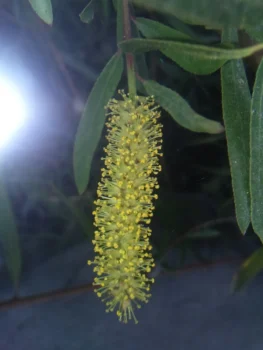
Like many willows, it’s also a fast grower, which means you won’t be waiting decades to enjoy its full beauty. Plus, it offers early spring blooms that provide nectar and pollen for bees and other pollinators when food sources might be scarce.
Garden Role and Landscape Uses
Humboldt’s willow works best as:
- A specimen tree in large gardens or parks
- Erosion control along waterways
- Part of naturalized or riparian plantings
- A fast-growing privacy screen (though it’s deciduous)
It’s particularly well-suited for areas that stay consistently moist or even experience occasional flooding – typical willow behavior!
Growing Conditions and Care
If you’re in USDA hardiness zones 8-11, Humboldt’s willow can thrive in your garden. Here’s what it needs to be happy:
- Sunlight: Full sun to partial shade
- Soil: Moist to wet conditions; tolerates poor drainage and flooding
- Water: Consistent moisture is key – this isn’t a drought-tolerant plant
- Space: Give it room to spread and develop its natural form
Planting and Maintenance Tips
Spring is your best bet for planting Humboldt’s willow. Choose a spot where you can provide consistent water – near a pond, stream, or low-lying area works well. The soil doesn’t need to be rich, but it should stay moist.
Maintenance is fairly straightforward:
- Prune in late winter before new growth starts
- Remove any dead, damaged, or crossing branches
- Keep the soil consistently moist, especially during dry spells
- Mulch around the base to retain moisture
A Word About Native Alternatives
While Humboldt’s willow isn’t considered invasive, it’s worth noting that it’s not native to the Caribbean region. If you’re passionate about supporting local ecosystems, you might want to consider native alternatives that provide similar benefits to wildlife and fill comparable roles in the landscape.
Native trees and shrubs that thrive in moist conditions and support local pollinators and wildlife might include local species that your regional extension office or native plant society can recommend.
The Bottom Line
Humboldt’s willow offers graceful beauty and fast growth for gardeners in warm, moist climates. While it’s not native to its current range, it has established itself without becoming problematic. If you choose to plant it, you’ll get a lovely specimen that pollinators appreciate and that can handle those soggy spots where other trees might struggle.
Just remember to keep it well-watered and give it the space it needs to show off that elegant willow form. And if you’re looking to support native ecosystems, consider exploring indigenous alternatives that might offer similar beauty with added ecological benefits.