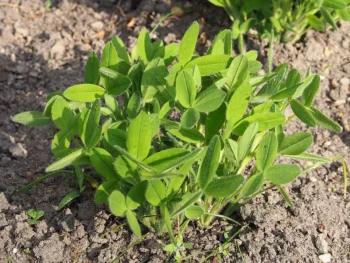
Hungarian Clover: A European Perennial for North American Gardens
If you’re looking to add a touch of European meadow charm to your garden, Hungarian clover (Trifolium pannonicum) might just be the unassuming hero you never knew you needed. This perennial clover brings a delicate beauty to naturalized spaces while offering the low-maintenance appeal that busy gardeners absolutely love.
What Exactly Is Hungarian Clover?
Hungarian clover is a perennial forb – basically a non-woody flowering plant that comes back year after year. Like its more famous cousin, the common white clover, it sports the classic three-leaflet design that makes clovers instantly recognizable. But don’t let its humble appearance fool you; this little plant has been quietly making its way across the globe from its native home in southeastern Europe.
You might also see it listed under its scientific synonyms Trifolium armenium or Trifolium pannonicum ssp. elongatum in some older gardening references, but they’re all referring to the same charming plant.
Where Does It Grow?
Originally from the Pannonian Basin region of Europe (think Hungary, parts of Austria, Slovakia, and Romania), Hungarian clover has established itself as a naturalized resident in parts of Canada, particularly Quebec. It’s one of those plants that arrived as an introduction and decided it liked its new home well enough to stick around and reproduce on its own.
- Species observed
- No observations
Should You Plant Hungarian Clover?
Here’s the honest truth: Hungarian clover isn’t going to win any showstopper of the year awards, but it has its place in the right garden setting. If you’re creating a naturalized meadow, need reliable ground cover, or want to add subtle texture to a low-maintenance landscape, it could be a solid choice.
However, since it’s not native to North America, you might want to consider native alternatives first. Native clovers and other legumes will provide similar benefits while supporting local ecosystems more effectively. That said, Hungarian clover isn’t considered invasive, so if you do choose to plant it, you’re not creating an ecological disaster.
What Does It Look Like?
Hungarian clover produces small, rounded flower heads filled with tiny white to cream-colored blooms. The flowers sit atop stems that rise from the classic clover foliage – those instantly recognizable three-leaflet sets. It’s not flashy, but there’s something undeniably pleasant about its cottage garden simplicity.
As a perennial, it forms spreading patches over time, making it useful for filling in naturalized areas where you want consistent, low-growing coverage.
Growing Hungarian Clover Successfully
The good news? Hungarian clover is refreshingly uncomplicated to grow. Here’s what you need to know:
Ideal Growing Conditions
- Sunlight: Full sun to partial shade – it’s quite adaptable
- Soil: Not particularly fussy about soil type, though well-draining soil is preferred
- Water: Drought tolerant once established, but appreciates occasional watering during dry spells
- Climate: Hardy in USDA zones 4-8, making it suitable for most temperate regions
Planting and Care Tips
- Start from seed in spring or fall – it’s often the easiest and most economical approach
- Scatter seeds over prepared soil and lightly rake them in
- Keep soil moist until germination occurs
- Once established, it requires minimal care and may self-seed in favorable conditions
- No fertilizing needed – like other legumes, it actually fixes nitrogen in the soil
Benefits for Pollinators and Wildlife
Like most clovers, Hungarian clover serves as a valuable nectar source for bees, butterflies, and other pollinators. The small flowers may not seem like much individually, but collectively they provide a reliable food source throughout the growing season. Birds may also appreciate the seeds, though this varies by region and local wildlife populations.
The Bottom Line
Hungarian clover is one of those nice to have plants rather than a must have. It’s perfect for gardeners who want to establish naturalized areas with minimal fuss, appreciate subtle beauty, and don’t mind working with non-native species. Just remember that choosing native alternatives first is always the more ecologically responsible approach – but if Hungarian clover fits your specific needs and aesthetic vision, it’s not going to cause any major problems in your landscape.
Whether you choose to plant it or not, at least now you know what to call that unassuming little clover if you ever spot it growing wild in a Quebec meadow!