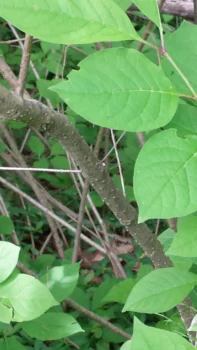
Hungarian Lilac: A Fragrant European Beauty for Your Garden
If you’re dreaming of a garden filled with sweet, intoxicating fragrance each spring, Hungarian lilac (Syringa josikaea) might just be the shrub you’ve been looking for. This charming member of the lilac family brings a touch of Eastern European elegance to American gardens, though it comes with a few considerations worth knowing about.
What Makes Hungarian Lilac Special?
Hungarian lilac stands out from its more famous cousin, the common lilac, in several delightful ways. This perennial shrub typically grows as a multi-stemmed woody plant, usually reaching 13 to 16 feet in height, though it can sometimes grow taller or develop a single trunk depending on growing conditions. What really sets it apart is its late-season blooming habit – while most lilacs finish their show by late May, Hungarian lilac keeps the party going into early summer with its fragrant, pale purple to white flower clusters.
Where Does It Come From?
Originally native to the Carpathian Mountains of Hungary, Romania, and surrounding Central European regions, this lilac species has found its way into American gardens as an introduced plant. In the United States, it has established itself and reproduces naturally in Massachusetts and Pennsylvania, spreading without human intervention.
- Species observed
- No observations
Garden Appeal and Landscape Role
Hungarian lilac brings several attractive qualities to the garden table. Its dense panicles of small, fragrant flowers create a lovely display that’s slightly more understated than the bold blooms of common lilac. The dark green, oval leaves provide attractive foliage throughout the growing season, making this shrub a solid choice even when not in bloom.
In landscape design, Hungarian lilac works beautifully as:
- A specimen plant in larger gardens
- Part of an informal hedge or screen
- An addition to mixed shrub borders
- A naturalizing plant in woodland edges
This shrub particularly shines in cottage gardens, informal landscapes, and properties where you have space to let it reach its full, magnificent size.
Pollinator and Wildlife Benefits
The fragrant flowers aren’t just a treat for human noses – they’re also a valuable nectar source for bees, butterflies, and other pollinators during their bloom period. Since Hungarian lilac blooms later than many other lilacs, it extends the season of available nectar when many other spring bloomers have finished.
Growing Hungarian Lilac Successfully
One of the best things about Hungarian lilac is its relatively easy-going nature. This hardy shrub thrives in USDA hardiness zones 3 through 7, making it suitable for a wide range of climates.
Ideal Growing Conditions
Hungarian lilac performs best when you give it:
- Full sun to partial shade (at least 6 hours of direct sunlight)
- Well-drained soil of various types
- Good air circulation
- Space to reach its mature size
This adaptable shrub tolerates alkaline soils better than many plants, making it a good choice for gardens with challenging soil conditions.
Planting and Care Tips
Plant Hungarian lilac in spring or fall when temperatures are moderate. During the first year, water regularly to help establish a strong root system. Once established, it’s quite drought-tolerant.
For ongoing care:
- Prune immediately after flowering to avoid removing next year’s buds
- Remove spent flower clusters to prevent excessive self-seeding
- Apply a balanced fertilizer in early spring
- Mulch around the base to retain moisture and suppress weeds
A Word About Native Alternatives
While Hungarian lilac is a lovely garden plant that’s not considered invasive, gardeners interested in supporting local ecosystems might also consider native alternatives. American elderberry (Sambucus canadensis) offers similar late-season fragrant flowers and wildlife benefits, while native viburnums provide comparable landscape function with even greater ecological value.
Is Hungarian Lilac Right for Your Garden?
Hungarian lilac makes an excellent choice if you have the space for a larger shrub and appreciate extended lilac season in your garden. Its reliable blooming, pleasant fragrance, and relatively low-maintenance nature make it a garden-worthy plant. Just remember that it needs room to spread and prefers not to be crowded by other plants.
Whether you choose Hungarian lilac or explore native alternatives, you’ll be adding beauty, fragrance, and pollinator support to your garden landscape.