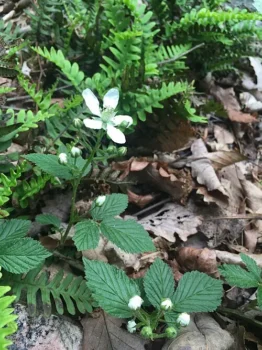
Hybrid Blackberry: A Mysterious Cross Worth Understanding
If you’ve stumbled across the name hybrid blackberry while researching native plants, you’ve likely encountered one of the more enigmatic members of the Rubus family. The botanical name Rubus pensilvanicus × ursinus represents a cross between two distinct blackberry species, creating a plant that’s both fascinating and somewhat mysterious in the gardening world.
What Exactly Is This Hybrid Blackberry?
This particular hybrid blackberry is the result of crossing Pennsylvania blackberry (Rubus pensilvanicus) with California blackberry (Rubus ursinus). As a perennial subshrub, it stays relatively compact, typically growing under 1.5 feet tall and rarely exceeding 3 feet at maturity. This low-growing habit makes it quite different from the towering, aggressive blackberry canes many gardeners are familiar with.
Where Does It Grow?
Currently, this hybrid blackberry has been documented growing in California, where it reproduces spontaneously in the wild. However, it’s important to note that this plant is considered non-native to the United States, meaning it was introduced from elsewhere and has established itself in local ecosystems.
- Species observed
- No observations
Should You Plant It in Your Garden?
Here’s where things get a bit tricky. While this hybrid blackberry isn’t listed as invasive or noxious, its non-native status and the limited information available about its behavior in gardens make it a questionable choice for most native plant enthusiasts. The lack of documented information about this specific hybrid also means we don’t have clear guidance on its:
- Exact growing requirements
- Wildlife and pollinator benefits
- Long-term garden performance
- Potential impact on local ecosystems
Better Native Alternatives
If you’re interested in blackberries for your native garden, consider these well-documented native options instead:
- Local native Rubus species appropriate to your region
- California blackberry (Rubus ursinus) if you’re in its native range
- Other regional native berry-producing shrubs that support local wildlife
The Bottom Line
While hybrid blackberry (Rubus pensilvanicus × ursinus) might seem intriguing with its compact growth habit, the lack of detailed information about this specific cross makes it difficult to recommend for home gardens. As native plant gardeners, we’re often better served by choosing well-researched native species that we know will thrive in our local conditions and support our regional ecosystems.
If you encounter this plant in the wild, it’s certainly worth observing and appreciating as part of the complex world of plant hybridization. But for your garden? You’ll likely find more success and ecological benefit with thoroughly documented native alternatives.