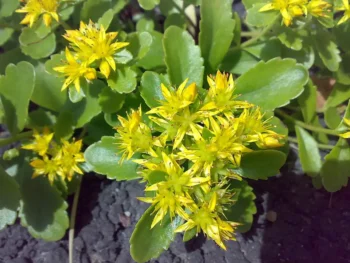
Hybrid Stonecrop: A Hardy Ground Cover for Canadian Gardens
If you’re looking for a tough, low-maintenance ground cover that can handle whatever Mother Nature throws at it, hybrid stonecrop (Phedimus hybridus) might catch your eye. This perennial succulent has been quietly making its home across several Canadian provinces, though its exact origins remain a bit of a botanical mystery.
What Is Hybrid Stonecrop?
Hybrid stonecrop belongs to the stonecrop family and was previously classified as Sedum hybridum. As its name suggests, this plant is likely a natural hybrid, which explains why its native status is somewhat undefined. It’s a herbaceous perennial that forms spreading mats of fleshy, succulent foliage—perfect for those spots in your garden where other plants fear to tread.
Where You’ll Find It Growing Wild
This hardy little plant has established itself across several Canadian provinces, including Alberta, Manitoba, Ontario, and Quebec. While we can’t definitively call it native to these regions, it has certainly made itself at home in the Canadian landscape.
- Species observed
- No observations
Why Consider Hybrid Stonecrop for Your Garden?
There are several compelling reasons to give hybrid stonecrop a spot in your landscape:
- Incredibly drought tolerant – Once established, it rarely needs watering
- Cold hardy – Thrives in challenging Canadian climates
- Low maintenance – Perfect for gardeners who want beauty without the fuss
- Versatile – Works in rock gardens, as ground cover, or in containers
- Pollinator friendly – Small flowers attract bees and other beneficial insects
Garden Design Ideas
Hybrid stonecrop shines in several garden settings:
- Rock gardens – Its succulent nature makes it perfect for tucking between stones
- Xeriscapes – An excellent choice for water-wise landscaping
- Green roofs – Can handle the extreme conditions of rooftop gardens
- Container gardens – Adds texture and interest to mixed plantings
- Slopes and banks – Helps prevent erosion while looking attractive
Growing Conditions and Care
The beauty of hybrid stonecrop lies in its simplicity. Here’s what it needs to thrive:
- Sunlight: Full sun to partial shade (morning sun is ideal)
- Soil: Well-draining soil is essential—this plant hates wet feet
- Water: Drought tolerant once established; water sparingly
- Hardiness: Suitable for USDA zones 3-8, making it perfect for most Canadian gardens
Planting and Care Tips
Getting hybrid stonecrop established in your garden is refreshingly straightforward:
- Plant in spring after the last frost
- Space plants 12-18 inches apart for ground cover
- Water regularly the first year, then cut back significantly
- Divide clumps every 3-4 years to prevent overcrowding
- Remove spent flowers to encourage more blooms
- Avoid fertilizing—these plants prefer lean conditions
A Word of Consideration
While hybrid stonecrop isn’t listed as invasive, its uncertain native status means you might want to consider definitively native alternatives first. Canada has many beautiful native sedums and other drought-tolerant plants that could serve similar functions in your garden while supporting local ecosystems.
If you do choose to plant hybrid stonecrop, source it responsibly from reputable nurseries and keep an eye on its spread to ensure it plays nicely with your other garden plants.
The Bottom Line
Hybrid stonecrop offers gardeners a reliable, low-maintenance option for challenging growing conditions. While we can’t celebrate it as a native species, it has proven itself hardy and adaptable across Canadian landscapes. Whether you’re dealing with a tricky slope, want to try your hand at a rock garden, or simply need something that won’t complain about your busy lifestyle, this tough little plant might just fit the bill.
Just remember to consider native alternatives first—your local wildlife will thank you for it!