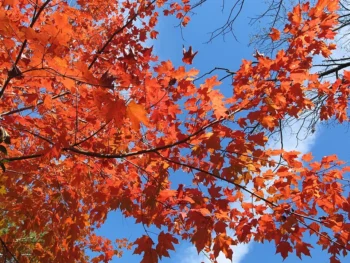
Hybrid Sugar Maple: A Rare Natural Cross Worth Knowing About
Meet the hybrid sugar maple (Acer leucoderme × saccharum), one of nature’s more elusive creations. This uncommon tree represents a natural cross between the chalk maple and the beloved sugar maple, creating something quite special for those lucky enough to encounter it.
What Makes This Maple Special?
The hybrid sugar maple is exactly what its name suggests – a natural hybrid that combines traits from both parent species. As a perennial woody tree, it typically grows with a single trunk and can reach impressive heights of over 13-16 feet, just like its famous sugar maple parent.
You might also see this tree listed under its scientific synonym, Acer ×senecaense, though this name isn’t officially validated in botanical circles.
Where Does It Come From?
Here’s where things get interesting (and a bit mysterious). The exact native range and distribution of this hybrid maple isn’t well-documented, which tells us something important – this isn’t your run-of-the-mill backyard tree. Natural hybrids like this typically occur where the ranges of both parent species overlap, likely in parts of the southeastern United States where chalk maples and sugar maples grow in proximity.
Should You Plant One?
Here’s the honest truth: finding a hybrid sugar maple for your garden is going to be quite the challenge. This rarity presents both the biggest drawback and the most compelling reason to seek one out.
The Reality Check
- Extremely limited availability in nurseries
- Unknown growth characteristics and requirements
- Unpredictable traits due to hybrid nature
- Limited information on care and maintenance
The Appeal
- Unique conversation piece for collectors
- Potentially combines best traits of both parents
- Contributes to genetic diversity in the landscape
- Living piece of botanical history
Growing Conditions and Care
Since specific growing information for this hybrid is scarce, your best bet is to provide conditions that would suit both parent species. This likely means:
- Well-draining soil with good organic content
- Partial to full sun exposure
- Consistent moisture without waterlogging
- Protection from extreme weather when young
The USDA hardiness zones and specific care requirements remain unclear due to limited cultivation experience with this particular hybrid.
Alternatives Worth Considering
If you’re drawn to the idea of a unique maple but can’t locate this hybrid, consider these more readily available options:
- Sugar maple (Acer saccharum) – reliable fall color and syrup potential
- Chalk maple (Acer leucoderme) – smaller size, attractive bark
- Red maple (Acer rubrum) – adaptable and widely native
- Other native maple species suited to your region
The Bottom Line
The hybrid sugar maple represents one of those fascinating botanical curiosities that remind us how complex and wonderful the plant world can be. While it’s not a practical choice for most gardeners due to its rarity and unknown characteristics, it’s worth appreciating as an example of nature’s endless creativity.
If you ever encounter one in the wild or hear of someone growing one, consider yourself lucky to witness this uncommon natural hybrid. Just remember that for most of us, celebrating and growing the readily available native maples in our regions is a more achievable way to support local ecosystems while enjoying these magnificent trees.