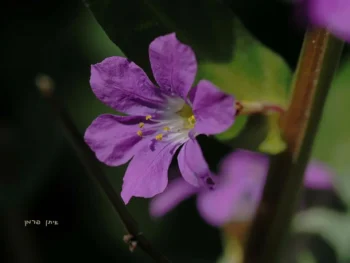
Hyssop Loosestrife: A Wetland Annual Worth Considering (With Caveats)
If you’ve ever wandered through a marshy area or along a pond’s edge and spotted delicate pink flowers dancing above narrow leaves, you might have encountered hyssop loosestrife (Lythrum hyssopifolium). This unassuming little annual has quite the story to tell – and some important considerations for gardeners who are thinking about adding it to their landscape.
What Exactly Is Hyssop Loosestrife?
Hyssop loosestrife is a petite annual or biennial forb that belongs to the loosestrife family. Don’t let the loosestrife name scare you – this species is much more well-behaved than its notorious cousin, purple loosestrife. As a forb, it lacks woody stems and keeps a low, herbaceous profile throughout its growing season.
Originally hailing from Europe and western Asia, this plant has made itself at home across much of North America, establishing populations in British Columbia, Ontario, and numerous U.S. states including California, Illinois, Maine, Maryland, Massachusetts, Michigan, New Hampshire, New Jersey, New York, Ohio, Oregon, Pennsylvania, Rhode Island, and Washington.
- Species observed
- No observations
A Plant That Really Loves Its Water
Here’s where hyssop loosestrife gets interesting: it’s what botanists call an obligate wetland species. This fancy term simply means it almost always needs wet feet to survive. Whether you’re in the arid West or the humid Southeast, this plant demands consistently moist to wet conditions.
This water-loving nature makes it naturally suited for:
- Bog gardens and rain gardens
- Pond edges and stream banks
- Wetland restoration projects
- Low-lying areas that stay consistently moist
Garden Appeal and Growing Details
Hyssop loosestrife won’t win any awards for showiness, but it has a subtle charm. The small pink to purple flowers appear along slender stems, creating a delicate, almost wispy appearance. The narrow leaves give the plant a fine-textured look that can complement bolder wetland plants beautifully.
As an annual or biennial, don’t expect this plant to stick around for decades, but it often self-seeds readily in suitable conditions. It thrives in USDA hardiness zones 3-9, handling both northern winters and southern heat when given adequate moisture.
Growing Hyssop Loosestrife Successfully
If you’re considering adding this plant to your garden, here’s what you need to know:
- Light: Full sun to partial shade
- Soil: Consistently moist to wet, tolerates various soil types as long as moisture is present
- Care: Minimal once established – just ensure consistent moisture
- Propagation: Primarily from seed, often self-sows
The Native Plant Perspective
Here’s where things get a bit complicated. While hyssop loosestrife isn’t currently listed as invasive or noxious, it is a non-native species that has naturalized across North America. For gardeners committed to supporting local ecosystems, this raises some important questions.
Small pollinators like bees and flies do visit hyssop loosestrife flowers, but native wetland plants typically provide more comprehensive benefits to local wildlife. Consider these native alternatives for similar growing conditions:
- Blue flag iris (Iris versicolor)
- Swamp milkweed (Asclepias incarnata)
- Cardinal flower (Lobelia cardinalis)
- Various native sedges (Carex species)
The Bottom Line
Hyssop loosestrife occupies an interesting middle ground in the native plant debate. It’s not aggressively invasive, but it’s not native either. If you’re working on a wetland restoration project or creating a naturalized bog garden, you might encounter it naturally or consider including it alongside native species.
However, if you’re starting from scratch, prioritizing native wetland plants will give you the biggest ecological bang for your buck. Your local wildlife – from pollinators to birds – will thank you for choosing plants that evolved alongside them.
Remember, the best garden is one that brings you joy while supporting the broader ecosystem. Whether that includes hyssop loosestrife or focuses exclusively on native species is a choice that depends on your specific goals and gardening philosophy.