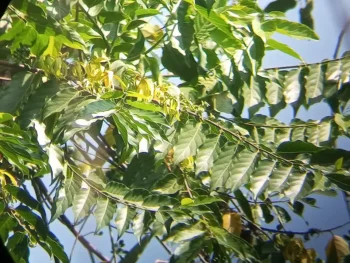
Ilang-Ilang: The Fragrant Tropical Beauty That’s Stealing Hearts in Warm Climate Gardens
If you’ve ever caught a whiff of an intoxicating floral fragrance wafting through a tropical garden and wondered what IS that amazing smell?, chances are you’ve encountered ilang-ilang (Cananga odorata). This perennial shrub has been captivating gardeners and perfumers alike with its incredibly fragrant yellow flowers that seem to perfume the entire neighborhood.
What Makes Ilang-Ilang So Special?
Ilang-ilang, also known by its botanical name Cananga odorata, is a multi-stemmed woody shrub that typically grows 13 to 16 feet tall, though it can sometimes stretch taller under the right conditions. What really sets this plant apart isn’t just its size – it’s those gloriously fragrant, drooping yellow flowers that release their perfume most intensely during evening hours. The glossy green leaves provide a beautiful backdrop, creating an elegant, tropical appearance that screams paradise found.
Where Does Ilang-Ilang Come From?
Originally native to Southeast Asia (think Indonesia, Malaysia, and the Philippines), ilang-ilang has made itself at home in various tropical locations around the world. In the United States, you’ll find it growing in Guam, Palau, and Puerto Rico, where it has established itself as a non-native species that reproduces naturally without human intervention.
- Species observed
- No observations
Is Ilang-Ilang Right for Your Garden?
Before you fall head-over-heels for this fragrant beauty, let’s talk about whether it’s a good fit for your space and gardening philosophy.
The Compelling Reasons to Grow It:
- Absolutely incredible fragrance that intensifies in the evening
- Beautiful yellow flowers that bloom throughout much of the year
- Attracts pollinators and beneficial insects
- Creates a stunning focal point in tropical landscape designs
- Perfect for fragrance gardens or meditation spaces
Things to Consider:
- It’s non-native to most U.S. regions, so consider supporting local ecosystems with native alternatives
- Only thrives in USDA zones 10-12, so northern gardeners are out of luck
- Needs consistent warmth and humidity to perform its best
- Can grow quite large, requiring adequate space
Growing Ilang-Ilang Successfully
If you’ve decided this fragrant charmer belongs in your tropical paradise, here’s how to keep it happy:
Perfect Growing Conditions:
- Light: Full sun to partial shade (morning sun with afternoon protection works well)
- Soil: Well-draining soil that doesn’t get waterlogged
- Climate: High humidity and consistently warm temperatures
- Hardiness: USDA zones 10-12 only
- Moisture: As an obligate upland plant, it prefers areas that don’t flood or stay consistently wet
Planting and Care Tips:
- Water regularly but ensure good drainage to prevent root rot
- Protect from strong winds that can damage the graceful branches
- Prune lightly to maintain shape and remove any dead or damaged growth
- Fertilize during the growing season to support continuous blooming
- Give it plenty of space – remember, this isn’t a tiny houseplant!
Garden Design Ideas
Ilang-ilang works beautifully as a specimen plant where its fragrance can be fully appreciated. Plant it near outdoor seating areas, along pathways, or close to windows where the evening fragrance can drift indoors. It’s perfect for tropical-themed landscapes, fragrance gardens, or as part of a pollinator-friendly garden design.
Supporting Native Ecosystems
While ilang-ilang certainly has its charms, consider also incorporating native plants that provide similar benefits to local wildlife and ecosystems. Research native fragrant shrubs and trees in your area – you might discover some wonderful alternatives that support local birds, butterflies, and other wildlife while still giving you that tropical garden vibe you’re after.
The Bottom Line
Ilang-ilang is undeniably gorgeous and wonderfully fragrant, making it a tempting addition to any warm-climate garden. If you choose to grow it, you’ll be rewarded with one of nature’s most incredible natural perfumes. Just remember to balance your garden with native plants too, creating a space that’s both beautiful and ecologically responsible. Your nose (and local wildlife) will thank you!