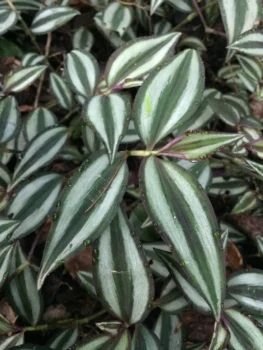
Inchplant: The Striped Trailing Beauty That’s Taking Over Gardens
If you’ve ever spotted a plant with stunning purple and green striped leaves cascading from a hanging basket, chances are you’ve met the inchplant (Tradescantia zebrina). This eye-catching trailing plant has become a favorite among gardeners and houseplant enthusiasts for its vibrant foliage and incredibly easy-going nature.
What Exactly Is Inchplant?
Inchplant, scientifically known as Tradescantia zebrina, is a fast-growing forb that belongs to the spiderwort family. You might also see it listed under its former names like Tradescantia pendula or Zebrina pendula – botanists love to keep us on our toes with name changes! This herbaceous perennial lacks woody stems and instead produces succulent-like trailing stems that can spread quickly.
The plant gets its common name from its remarkable ability to grow incredibly fast – seemingly gaining inches overnight. Its zebra-striped leaves feature purple undersides and silvery-green tops with darker green stripes, creating a stunning visual display.
Where Does Inchplant Come From?
Originally native to Mexico, Central America, and Colombia, inchplant has traveled far from its tropical homeland. It’s now established as a non-native species that reproduces and persists in various U.S. regions including Florida, Hawaii, Kentucky, Louisiana, and several U.S. territories like Puerto Rico, Guam, and the Virgin Islands.
- Species observed
- No observations
Should You Grow Inchplant in Your Garden?
The decision to grow inchplant depends on your gardening goals and local climate. Here are some considerations:
The Pros:
- Absolutely gorgeous foliage with unique purple and silver coloring
- Incredibly easy to grow and propagate
- Excellent for hanging baskets and containers
- Thrives as a houseplant
- Fast-growing ground cover in warm climates
The Considerations:
- Not native to North America
- Can spread aggressively in suitable climates
- Frost-tender (USDA zones 9-12 only)
- Limited wildlife benefits compared to native alternatives
Growing Conditions and Care
Inchplant is refreshingly low-maintenance, making it perfect for beginners or anyone wanting a stunning plant without the fuss.
Light Requirements:
Bright, indirect light brings out the best coloring in the leaves. Too much direct sun can fade the beautiful purple tones, while too little light makes the plant leggy and less vibrant.
Soil and Water:
According to wetland status data, inchplant typically prefers upland conditions in most regions, though it can tolerate some moisture. Use well-draining soil and water when the top inch feels dry. It’s quite forgiving if you forget to water occasionally.
Temperature:
This tropical native loves warmth and humidity. Indoors, normal household temperatures work perfectly. Outdoors, it’s only hardy in USDA zones 9-12, so northern gardeners should treat it as an annual or bring it inside for winter.
Planting and Propagation Tips
One of inchplant’s superpowers is how ridiculously easy it is to propagate. Simply:
- Cut a 4-6 inch stem piece
- Remove the lower leaves
- Place in water or moist soil
- Watch roots develop in just days!
For bushier growth, pinch back the growing tips regularly. This encourages branching and prevents the plant from becoming too straggly.
Garden Design Ideas
Inchplant shines in several garden roles:
- Dramatic spillers in mixed container gardens
- Ground cover under trees in warm climates
- Living curtains in hanging baskets
- Indoor accent plants near bright windows
- Tropical garden understory plantings
Wildlife and Pollinator Benefits
While inchplant produces small pink or white flowers, its wildlife benefits are limited compared to native plants. The tiny blooms may attract some small pollinators, but native alternatives typically provide much more substantial support for local ecosystems.
Native Alternatives to Consider
If you love the trailing habit and colorful foliage of inchplant but want to support native wildlife, consider these alternatives:
- Wild ginger (Asarum canadense) for shady ground cover
- Virginia creeper (Parthenocissus quinquefolia) for trailing color
- Native sedums for succulent-like texture
- Regional native spiderworts (other Tradescantia species)
The Bottom Line
Inchplant offers undeniable beauty and ease of care, making it a popular choice for both indoor and outdoor gardening in suitable climates. While it’s not native and won’t provide the same ecological benefits as indigenous plants, it can certainly earn its place in containers, hanging baskets, or as a houseplant. Just be mindful of its spreading nature in warm climates, and consider balancing your garden with native plants that support local wildlife.
Whether you’re a seasoned gardener or just starting out, inchplant’s forgiving nature and stunning appearance make it a plant worth considering – just remember to give some love to your native plants too!