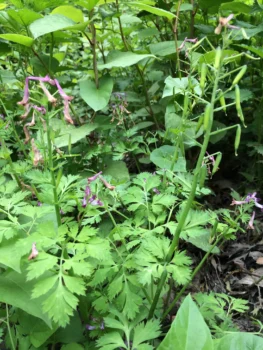
Incised Fumewort: A Beautiful but Problematic Garden Invader
If you’ve spotted delicate pink flowers and finely cut, fernlike leaves popping up in your garden or local woodlands, you might be looking at incised fumewort (Corydalis incisa). While this little annual may look charming at first glance, there’s more to this plant than meets the eye – and unfortunately, it’s not all good news for American gardeners.
What Exactly is Incised Fumewort?
Incised fumewort is a non-native annual to biennial forb that has made itself quite at home in parts of the United States, despite originally hailing from East Asia. As a forb, it’s essentially an herbaceous flowering plant without any significant woody stems – think of it as the botanical equivalent of a seasonal visitor that forgot to leave.
This plant belongs to the fumitory family and gets its incised name from its deeply cut, almost lacy foliage that gives it a delicate, fernlike appearance. The small flowers are typically pink to purple and appear in spring, creating clusters that might seem appealing in a wildflower garden setting.
Where You’ll Find It (And Why That’s a Problem)
Currently, incised fumewort has been documented growing in New York, though its range may be expanding. This plant has earned the troubling distinction of being classified as a Tier 1 invasive species in Maryland, which means it’s considered a serious ecological threat.
- Species observed
- No observations
As a non-native species that reproduces spontaneously and persists without human intervention, incised fumewort has all the hallmarks of a successful invader. It tends to colonize disturbed areas and can quickly establish populations that crowd out native plants.
Why You Should Skip This One
Here’s the bottom line: despite any aesthetic appeal incised fumewort might have, this is one plant you’ll want to avoid adding to your garden. Its invasive status means it can:
- Outcompete native wildflowers and forbs
- Disrupt local ecosystems
- Spread beyond your garden boundaries
- Reduce biodiversity in natural areas
While the plant may provide some limited benefits to small pollinators, these benefits are far outweighed by its negative ecological impact.
Better Alternatives for Your Garden
Instead of risking the ecological problems that come with incised fumewort, consider these native alternatives that offer similar delicate beauty:
- Wild bleeding heart (Dicentra eximia) – offers similar fernlike foliage with lovely heart-shaped flowers
- Dutchman’s breeches (Dicentra cucullaria) – provides delicate spring blooms and attractive foliage
- Wild ginger (Asarum canadense) – offers interesting ground-covering foliage for shaded areas
- Native violets (Viola species) – provide small colorful flowers and support butterfly larvae
If You Spot It, Report It
If you encounter incised fumewort in your area, especially outside of New York where it’s currently documented, consider reporting it to your local extension office or invasive species reporting system. Early detection and rapid response are key tools in preventing the spread of invasive plants.
Should you find this plant already established in your garden, the best approach is careful removal before it sets seed. Bag and dispose of plant material rather than composting it, as seeds may survive the composting process.
The Takeaway
While incised fumewort might catch your eye with its delicate flowers and lacy foliage, this is one case where looks can be deceiving. By choosing native alternatives instead, you’ll get similar aesthetic benefits while supporting local ecosystems and pollinators. Your garden – and your local environment – will thank you for making the responsible choice.