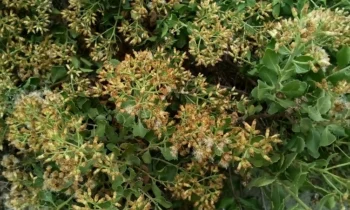
Indian Camphorweed: What You Need to Know About This Non-Native Perennial
If you’ve spotted a weedy-looking herb with small, clustered flowers growing in moist areas around Hawaii or other Pacific islands, you might be looking at Indian camphorweed (Pluchea indica). Also known as Indian fleabane or Indian pluchea, this perennial forb is one of those plants that tends to show up uninvited rather than being deliberately planted.
Where Does Indian Camphorweed Come From?
Despite its presence across the Pacific, Indian camphorweed isn’t actually native to these regions. This hardy perennial originally hails from tropical Asia and Australia, but it has established itself throughout Hawaii, Guam, Palau, and various U.S. Minor Outlying Islands. As a non-native species, it reproduces on its own in the wild and has proven quite persistent once established.
- Species observed
- No observations
What Does Indian Camphorweed Look Like?
Indian camphorweed is what botanists call a forb – essentially an herbaceous plant that lacks significant woody tissue. Think of it as the botanical equivalent of that friend who’s low-maintenance but not particularly showy. The plant produces small, inconspicuous flowers arranged in clusters, and while it’s perennial, it won’t win any beauty contests in your garden.
Growing Conditions and Habitat
This adaptable plant has what’s called a facultative wetland status in Hawaii, which means it’s equally happy in wet or dry conditions – talk about not being picky! Indian camphorweed thrives in USDA hardiness zones 10-11, making it well-suited to tropical and subtropical climates. It’s particularly fond of:
- Moist soils near water sources
- Disturbed areas and roadsides
- Areas with variable moisture conditions
- Warm, tropical climates year-round
Should You Plant Indian Camphorweed?
Here’s the thing about Indian camphorweed – it’s not really a garden plant that most people would choose to cultivate. While it’s not officially listed as invasive or noxious, its weedy nature and lack of ornamental appeal make it less than ideal for intentional landscaping. Plus, as a non-native species, it doesn’t provide the same ecological benefits as indigenous plants.
Better Native Alternatives
Instead of Indian camphorweed, consider these native alternatives that will provide more benefits to local ecosystems:
- Native Hawaiian sedges for wetland areas
- Indigenous flowering perennials that support local pollinators
- Native grasses that provide habitat for local wildlife
The Bottom Line
While Indian camphorweed isn’t necessarily harmful, it’s also not adding much value to your garden or the local ecosystem. If you find it growing on your property, you don’t need to panic – but you probably don’t need to encourage it either. Focus your gardening energy on native plants that will create a more beneficial and beautiful landscape for both you and local wildlife.
Remember, the best gardens work with nature rather than against it, and choosing native plants is one of the most impactful ways to support your local environment while creating a thriving landscape.