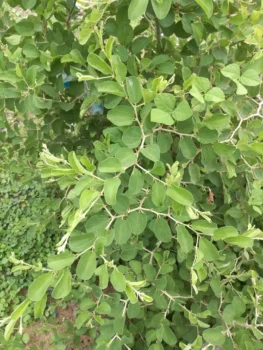
Indian Jujube: The Sweet and Thorny Debate for Your Garden
Meet the Indian jujube (Ziziphus mauritiana), a scrappy little shrub that’s been making itself at home in warmer parts of the United States. This thorny character brings both charm and controversy to the gardening world – offering sweet, edible fruits while raising questions about its place in native landscapes.
What Exactly Is Indian Jujube?
Indian jujube is a perennial shrub that typically grows 13-16 feet tall with multiple stems branching from the base. Don’t let its modest size fool you – this plant packs personality with glossy green leaves, small yellowish-green flowers, and the real showstopper: small, apple-like fruits that ripen from green to reddish-brown or yellow.
You might also see this plant listed under its scientific synonym, Ziziphus jujuba, but Ziziphus mauritiana is the accepted name. Just remember – it’s got thorns, so handle with care!
The Non-Native Reality Check
Here’s where things get interesting: Indian jujube isn’t actually native to North America. This Asian native has established itself across several U.S. regions, including California, Florida, Guam, Puerto Rico, and the U.S. Virgin Islands. It reproduces on its own in the wild and tends to stick around once it arrives.
- Species observed
- No observations
While it’s not currently listed as invasive or noxious, its non-native status means it doesn’t provide the same ecological benefits as plants that co-evolved with local wildlife and ecosystems.
Growing Conditions and Care
If you’re in USDA hardiness zones 9-11, Indian jujube might thrive in your garden. Here’s what this tough little shrub needs:
- Sunlight: Full sun for best fruit production
- Soil: Well-draining soil; it’s not picky about soil type
- Water: Drought tolerant once established, but regular watering helps fruit development
- Climate: Heat tolerant and thrives in arid to semi-arid conditions
According to wetland status data, Indian jujube typically prefers upland areas and rarely occurs in wetlands, making it suitable for drier landscape areas.
The Garden Role Question
Indian jujube can serve several purposes in appropriate climates:
- Edible landscaping: The fruits are sweet and nutritious
- Drought-tolerant gardens: Perfect for water-wise landscaping
- Barrier planting: Those thorns make it an effective natural fence
- Pollinator support: Small flowers attract bees and other pollinators
Planting and Care Tips
If you decide to grow Indian jujube, here’s how to set it up for success:
- Plant in spring after the last frost
- Choose a sunny location with good drainage
- Water regularly the first year to establish roots
- Once established, it’s remarkably low-maintenance
- Wear gloves when pruning – those thorns mean business!
- Minimal fertilization needed; it’s quite self-sufficient
The Native Alternative Conversation
While Indian jujube isn’t problematic enough to avoid entirely, consider exploring native alternatives that provide similar benefits while supporting local ecosystems. Depending on your region, native fruit-bearing shrubs like serviceberry, elderberry, or native plums might offer comparable rewards with greater ecological value.
Should You Plant It?
Indian jujube occupies an interesting middle ground. It’s not invasive enough to ban, but it’s not native enough to champion. If you’re drawn to its drought tolerance and edible fruits, and you’re in an appropriate climate zone, it can be a reasonable choice for your landscape. Just remember that native plants will always be the gold standard for supporting local wildlife and maintaining ecological balance.
Whether you choose Indian jujube or explore native alternatives, the key is making informed decisions that align with your gardening goals and environmental values. After all, every garden tells a story – make sure yours is one you’re proud to share!