Indian Sandbur: What Every Gardener Should Know About This Non-Native Grass
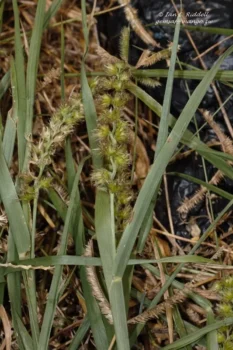
If you’ve ever walked barefoot through a field and suddenly found yourself doing an impromptu dance of pain, you might have encountered Indian sandbur (Cenchrus biflorus). This annual grass isn’t exactly what most gardeners dream of adding to their landscapes, but understanding it can help you make informed decisions about your garden space.
What is Indian Sandbur?
Indian sandbur is a non-native annual grass that has made itself at home in parts of the United States. Originally from Africa and Asia, this grass belongs to the same family as many of our beloved lawn grasses, but it’s definitely not one you’d want carpeting your yard. You might also see it referred to by its scientific synonyms Cenchrus barbatus or Cenchrus catharticus in older gardening references.
Where Does It Grow?
Currently, Indian sandbur has established populations in Alabama and New York, though as a non-native species that reproduces readily in the wild, it has the potential to spread to other areas with suitable conditions. This grass is particularly fond of sandy soils and disturbed areas, which explains why it often pops up along roadsides and in vacant lots.
- Species observed
- No observations
Why Most Gardeners Don’t Plant Indian Sandbur
Let’s be honest – Indian sandbur isn’t winning any beauty contests in the plant world. Here’s why it’s typically not on gardeners’ wish lists:
- Limited aesthetic appeal compared to ornamental grasses
- Produces spiny seed heads (burs) that can be painful to touch
- Tends to behave like a weed rather than a garden ornament
- Offers minimal benefits to pollinators since it’s wind-pollinated
Growing Conditions and Characteristics
If you’re curious about this grass’s preferences (perhaps to avoid creating perfect conditions for it!), Indian sandbur thrives in:
- Sandy, well-drained soils
- Full sun locations
- Disturbed or compacted ground
- USDA hardiness zones 7-10
As an annual grass, it completes its entire life cycle in one growing season, dying back in winter but leaving behind those memorable spiny seeds to start the process again next year.
Better Native Alternatives
Instead of Indian sandbur, consider these beautiful native grass alternatives that offer much more to your garden ecosystem:
- Little bluestem – A stunning native prairie grass with gorgeous fall color
- Buffalo grass – Perfect for low-maintenance lawns in appropriate regions
- Purple top grass – Provides habitat for wildlife while looking elegant
- Switchgrass – Offers excellent structure and movement in the landscape
The Bottom Line
While Indian sandbur isn’t necessarily harmful to grow, it’s not particularly beneficial either. Its weedy nature and lack of ornamental value make it a poor choice for intentional gardening. Plus, by choosing native grasses instead, you’ll be supporting local wildlife and creating a more resilient, beautiful landscape that truly belongs in your region.
If you do encounter Indian sandbur in your garden, it’s easily managed through regular mowing before seed set or hand removal. Just remember to wear gloves – those burs aren’t kidding around!