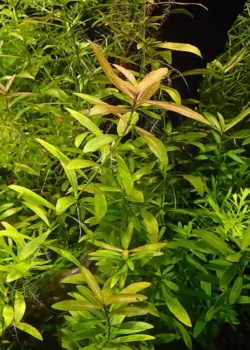
Indian Swampweed: Why This Aquatic Plant Should Stay Out of Your Garden
If you’ve been browsing aquatic plants for your water garden or pond, you might have come across Indian swampweed (Hygrophila polysperma). While this innocent-looking plant might seem like a charming addition to aquatic landscapes, there’s a very important reason why you should steer clear of it entirely.
The Not-So-Secret Identity of Indian Swampweed
Indian swampweed, scientifically known as Hygrophila polysperma, is a forb – essentially a non-woody plant that lacks the thick, sturdy stems of shrubs and trees. This annual to perennial plant might look harmless with its simple opposite leaves and tiny flowers, but don’t let its modest appearance fool you.
This aquatic troublemaker is native to India and Southeast Asia, but it has made itself quite unwelcome in American waterways. It’s what botanists call a non-native species that reproduces spontaneously in the wild – and boy, does it ever reproduce!
Where Indian Swampweed Has Made Trouble
Currently, you can find Indian swampweed growing wild in Florida, Texas, and Virginia. However, its presence in these states is anything but celebrated by local ecosystems and water management authorities.
- Species observed
- No observations
Why You Absolutely Should NOT Plant Indian Swampweed
Here’s where things get serious. Indian swampweed isn’t just unwelcome – it’s officially banned in multiple states:
- Minnesota has classified it as Prohibited
- Wisconsin has also given it Prohibited status
- At the federal level, it’s listed as a noxious weed
These classifications exist for good reason. Indian swampweed is an aggressive invader that can quickly overwhelm native aquatic plants, clog waterways, and disrupt entire aquatic ecosystems. It spreads incredibly easily – even tiny plant fragments can establish new colonies.
What Makes This Plant So Problematic
Indian swampweed is an obligate wetland species, meaning it almost always occurs in wetlands. While this might sound like it would stay put in specific areas, the reality is quite different. The plant thrives in various wet conditions and can adapt to different water depths and flow rates.
Its growth habit as a forb means it doesn’t develop woody tissue, allowing it to remain flexible and resilient in aquatic environments. This flexibility, combined with its ability to reproduce from fragments, makes it nearly impossible to control once established.
Better Alternatives for Your Water Garden
Instead of risking ecological disaster with Indian swampweed, consider these native alternatives for your aquatic landscaping:
- Wild celery (Vallisneria americana) – provides excellent habitat for waterfowl
- Pickerel rush (Pontederia cordata) – beautiful blue-purple flower spikes
- Arrowhead (Sagittaria latifolia) – distinctive arrow-shaped leaves and white flowers
- Water lily species native to your region – classic beauty with ecological benefits
These native plants will provide the aquatic beauty you’re seeking while supporting local wildlife and maintaining ecological balance.
The Bottom Line
While Indian swampweed might seem like an easy-care option for water features, its invasive nature makes it a plant to avoid entirely. Not only could planting it potentially violate local regulations, but you’d also be contributing to the spread of a species that threatens native ecosystems.
Stick with native aquatic plants that will give you the same lush, green water garden aesthetic while supporting local wildlife and respecting the natural balance of your regional ecosystem. Your local environment (and water management authorities) will thank you!