Indian Toothcup: A Tiny Wetland Wonder for Water Gardens
If you’re looking to add some delicate charm to your water garden or soggy backyard spot, you might want to meet Indian toothcup (Rotala indica). This petite annual herb brings a splash of pink to wet places where many other plants fear to tread.
What is Indian Toothcup?
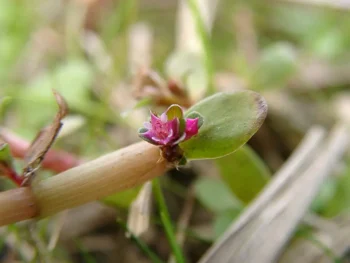
Indian toothcup is a small, annual forb – basically a soft-stemmed plant that completes its entire life cycle in just one growing season. Don’t expect towering heights here; this little guy stays low and spreads across wet surfaces like a living carpet. Its narrow, opposite leaves and tiny pink to reddish flowers create a delicate texture that’s quite charming up close.
Native Status and Where It Grows
Here’s something important to know upfront: Indian toothcup isn’t actually native to North America. It originally comes from tropical and subtropical parts of Asia, including India and Southeast Asia. However, it has established itself in parts of the United States, particularly in California and Louisiana, where it reproduces on its own in the wild.
- Species observed
- No observations
Since it’s non-native, you might want to consider native alternatives for your wetland areas. But if you do choose to grow it, it’s not currently listed as invasive or noxious, so it won’t land you in ecological hot water.
Perfect Spots for Indian Toothcup
This plant is all about the water – and lots of it. Indian toothcup has Obligate Wetland status across all regions where it’s found, which means it almost always occurs in wetlands. Think of it as nature’s way of saying I need my feet wet, always.
Here are the ideal spots for Indian toothcup:
- Pond edges and shallow water areas
- Bog gardens
- Rain gardens that stay consistently moist
- Wetland restoration projects
- Areas with poor drainage that other plants struggle with
Growing Conditions and Care
If you’ve got a perpetually soggy spot that drives you crazy, Indian toothcup might just be your new best friend. Here’s what it needs to thrive:
Moisture: Constantly wet to waterlogged soil is essential. This plant literally cannot have too much water.
Light: Full sun to partial shade works well, though it seems to prefer bright conditions.
Climate: As an annual, it grows best in warmer climates, likely thriving in USDA zones 8-11.
Soil: Any wet soil will do – it’s not particularly picky about soil type as long as there’s plenty of moisture.
Planting and Maintenance
Since Indian toothcup is an annual, you’ll likely be starting from seed each year unless it decides to self-seed (which it might in perfect conditions). Plant seeds directly in your wet area in spring after the last frost. Keep the area consistently moist – but given its water requirements, that shouldn’t be hard!
Maintenance is pretty minimal. Once established, it mostly takes care of itself as long as water levels remain adequate. Since it’s annual, you won’t need to worry about pruning or long-term care.
Wildlife and Garden Benefits
While Indian toothcup’s small flowers may attract tiny pollinators like small bees and flies, information about its specific wildlife benefits is limited. Its main garden benefit is its ability to colonize and stabilize wet areas where other plants struggle.
Should You Plant Indian Toothcup?
Indian toothcup fills a specific niche – it’s perfect for those challenging wet spots where you need something, anything, to grow. While it’s not native, it’s also not considered problematic. However, before you decide, consider exploring native wetland plants in your area that might provide similar benefits while supporting local ecosystems.
If you do choose Indian toothcup, it’s a charming little plant that asks for very little except a steady supply of water. Sometimes that’s exactly what a challenging garden spot needs – a plant that thrives where others merely survive.