Indian Woodapple: A Tropical Treasure for Warm Climate Gardens
If you’re looking to add an exotic touch to your tropical garden, the Indian woodapple (Limonia acidissima) might just be the conversation starter you need. This unique tree brings together fragrant blooms, distinctive fruit, and a touch of the subcontinent’s botanical heritage to suitable growing zones.
What Is Indian Woodapple?
Indian woodapple, scientifically known as Limonia acidissima, is a medium-sized tropical tree that’s as intriguing as its name suggests. You might also encounter it listed under its botanical synonym, Feronia limonia. This tree is native to the Indian subcontinent, where it’s been cultivated for centuries both for its fruit and ornamental value.
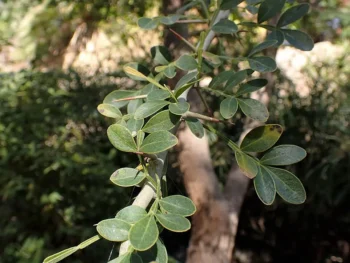
The tree typically grows 20-30 feet tall with an irregular, spreading canopy that provides decent shade. Its compound leaves give it a delicate, feathery appearance, while the trunk often develops an interesting gnarled character with age.
Why Consider Growing Indian Woodapple?
There are several compelling reasons why this tree might earn a spot in your tropical landscape:
- Unique fruit: The large, round, woody fruits are quite the novelty – they look almost like oversized tennis balls hanging from the branches
- Fragrant flowers: Small white blooms appear in clusters and release a pleasant fragrance
- Pollinator friendly: Those fragrant flowers are magnets for bees and other beneficial insects
- Drought tolerance: Once established, it’s quite resilient during dry periods
- Conversation piece: It’s definitely not your everyday backyard tree
Growing Conditions and Care
Indian woodapple is definitely not a plant for everyone – it’s quite particular about where it wants to live. This tree thrives only in USDA hardiness zones 10-12, meaning it needs consistently warm, frost-free conditions year-round.
Ideal Growing Conditions:
- Climate: Tropical to subtropical only
- Sunlight: Full sun for best growth and fruit production
- Soil: Well-draining soil is essential – it doesn’t like wet feet
- Water: Regular watering when young, drought tolerant once mature
Planting and Care Tips:
- Plant in spring after any chance of cool weather has passed
- Provide consistent moisture for the first 2-3 years while the root system establishes
- Prune lightly to maintain shape – heavy pruning isn’t usually necessary
- Be patient – it can take several years to see fruit production
Is Indian Woodapple Right for Your Garden?
This tree works best in specific situations. Consider it if you have a tropical climate, enjoy growing unusual plants, and want something that will definitely make visitors stop and ask questions. It’s particularly suited for:
- Specimen plantings where you want a focal point
- Edible landscapes (though the fruit is an acquired taste)
- Collector gardens featuring unusual tropical plants
- Areas where you want to attract pollinators
Consider Native Alternatives
While Indian woodapple isn’t invasive, if you’re in North America and want to support local ecosystems, consider these native alternatives that offer similar benefits:
- For tropical areas: Native palms or tropical fruit trees indigenous to your region
- For subtropical zones: Native citrus species or other regional fruit trees
- For pollinator support: Local native flowering trees that bloom at similar times
The Bottom Line
Indian woodapple is a fascinating tree that can add an exotic element to the right garden. Just remember that it’s strictly for warm climates and takes patience to establish. If you’re in zones 10-12, enjoy unusual plants, and don’t mind waiting a few years for the full experience, this could be an interesting addition to your landscape. For everyone else, it’s probably better admired in botanical gardens or during travels to tropical destinations.
Whether you choose to grow Indian woodapple or opt for native alternatives, the key is selecting plants that both thrive in your specific conditions and contribute positively to your local ecosystem.