Indiantree Spurge: A Bold Architectural Plant for Warm Climate Gardens
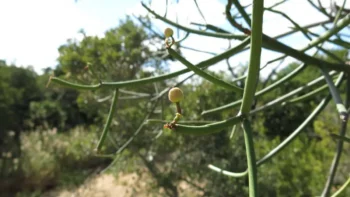
If you’re looking to add serious drama to your landscape, the Indiantree spurge (Euphorbia tirucalli) might just be the showstopper you need. This striking succulent tree creates an almost alien-like presence in gardens with its thick, green, pencil-shaped branches that seem to reach toward the sky like living sculpture.
What Makes Indiantree Spurge Special?
Indiantree spurge is a perennial tree that can grow quite impressive – typically reaching 13 to 16 feet or more in height under the right conditions. What sets it apart is its unique growth habit: instead of traditional leaves, this plant features thick, cylindrical green branches that handle all the photosynthesis duties. The result is an architectural marvel that looks like it belongs in a modern art installation.
Where Does It Come From?
This eye-catching plant isn’t native to the United States – it originally hails from Eastern and Southern Africa. However, it has established itself in several U.S. locations where the climate suits its needs. You’ll find it growing in California, Florida, Hawaii, Guam, Palau, Puerto Rico, the U.S. Minor Outlying Islands, and the Virgin Islands.
- Species observed
- No observations
Since it’s non-native, you might want to consider some beautiful native alternatives that provide similar architectural interest, such as native yuccas or agaves, depending on your region.
Perfect Growing Conditions
Indiantree spurge thrives in warm climates and is best suited for USDA hardiness zones 9b through 11. Here’s what this heat-loving plant needs to flourish:
- Sunlight: Full sun exposure for best growth and form
- Soil: Well-draining soil is absolutely essential – soggy conditions will kill it
- Water: Drought tolerant once established; actually prefers dry conditions
- Temperature: Frost sensitive – protect from freezing temperatures
According to wetland classifications, this plant typically grows in non-wetland areas, though it may occasionally appear in wetland margins in some regions.
Garden Design Ideas
Indiantree spurge works beautifully in several landscape styles:
- Desert and xeriscape gardens: Perfect for water-wise landscaping
- Modern and contemporary designs: Its sculptural form complements clean architectural lines
- Succulent gardens: Creates dramatic height among lower-growing succulents
- Specimen planting: Makes an impressive standalone focal point
Important Safety and Care Tips
Handle with extreme caution! The milky sap of Indiantree spurge is highly toxic and can cause severe skin and eye irritation. Always wear gloves and protective eyewear when pruning or handling this plant.
Care tips for success:
- Water sparingly – this plant thrives on neglect when it comes to watering
- Provide excellent drainage to prevent root rot
- Protect from frost in marginal zones
- Prune carefully if needed, always wearing protective gear
- Plant in a location where pets and children won’t come into contact with the sap
Wildlife and Pollinator Value
While Indiantree spurge does produce small, inconspicuous flowers, it doesn’t offer significant benefits to pollinators or wildlife compared to native alternatives. If supporting local ecosystems is a priority, consider native plants that provide better habitat and food sources for local wildlife.
The Bottom Line
Indiantree spurge can be a stunning addition to warm-climate gardens if you’re looking for bold architectural interest and have the right growing conditions. However, remember that it’s not native to the U.S. and requires careful handling due to its toxic sap. If you do choose to grow it, treat it as the dramatic specimen it is, and always prioritize safety when caring for it. For those interested in supporting native ecosystems, explore indigenous alternatives that can provide similar structural impact while benefiting local wildlife.